
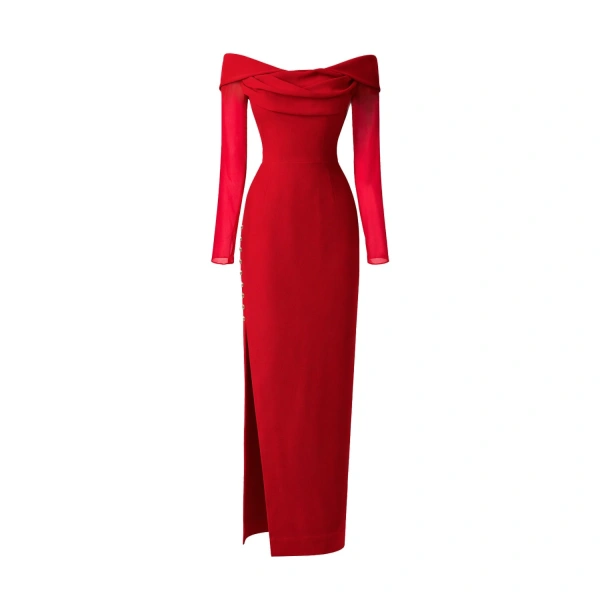
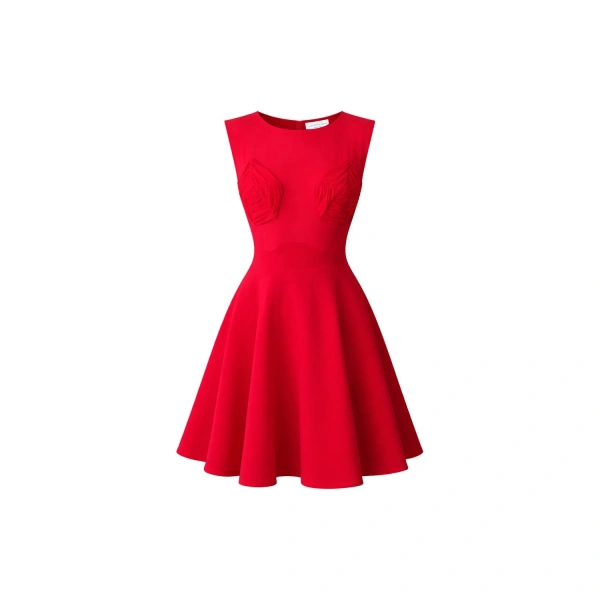
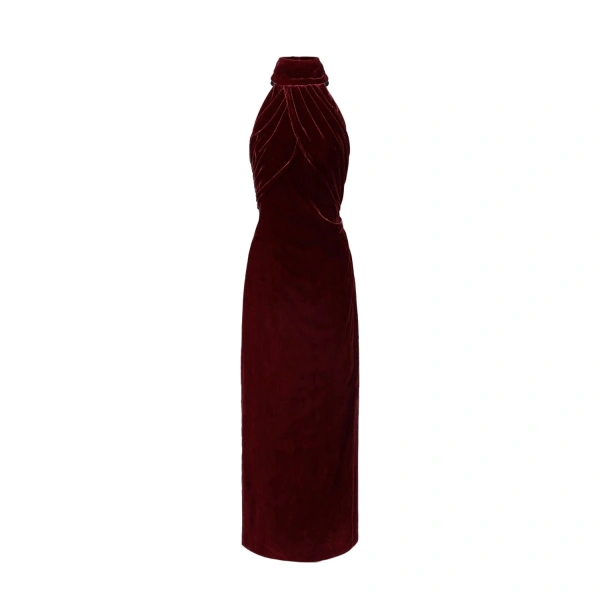
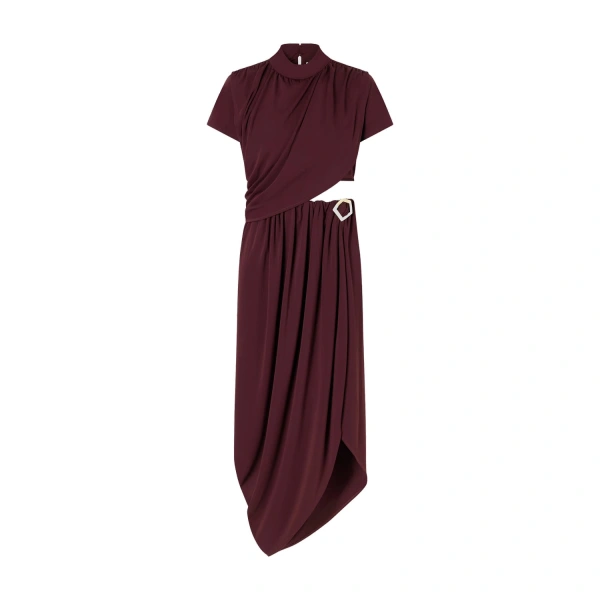
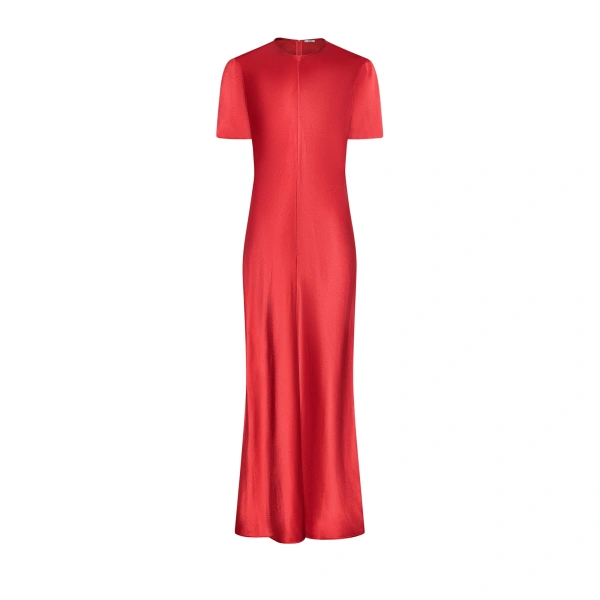
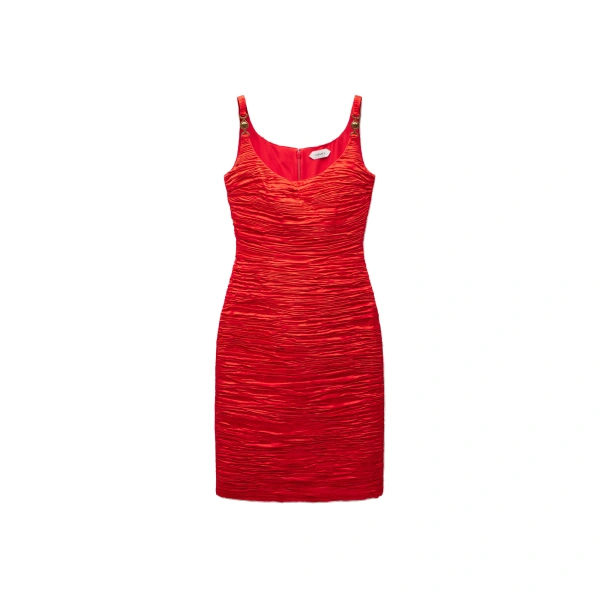
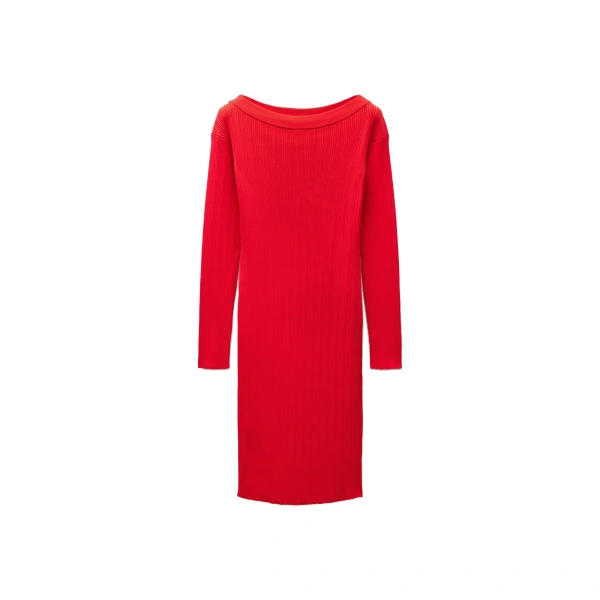
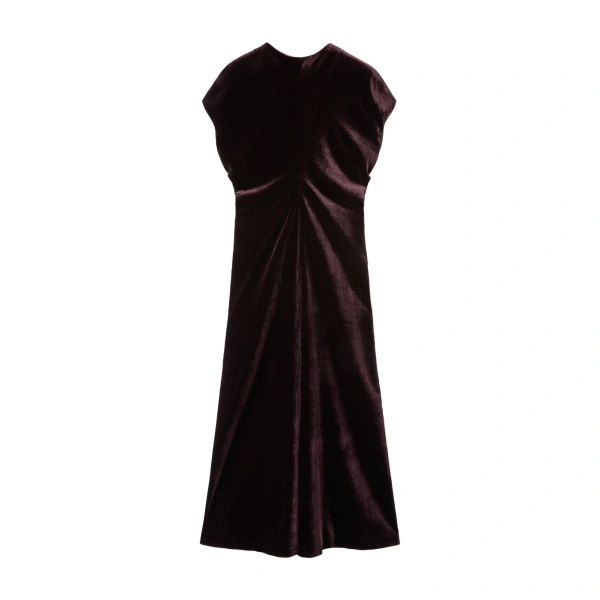
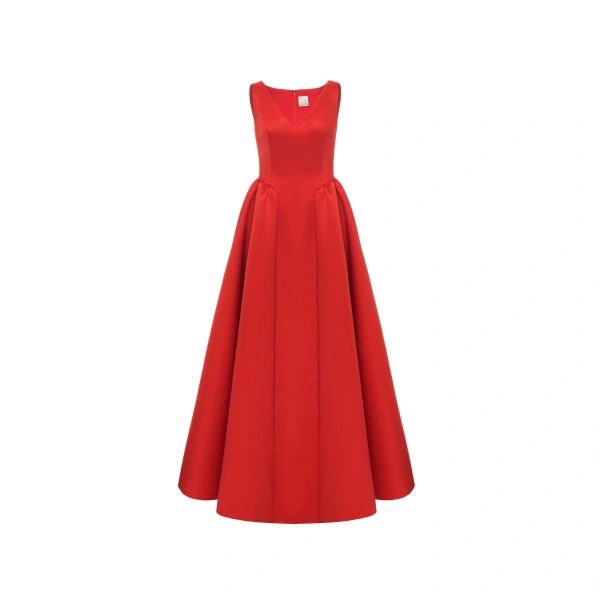
Red dresses at Coveti: more than 350 designer red dresses in stock, from scarlet minis to burgundy gowns, by La DoubleJ, Safiyaa, Rasario, JW PEI, Essentiel Antwerp, Effie Kats and Self Portrait. Every dress on this page is in stock and named for its red shade.
Shop designer red dresses
6 UK
8 UK
+6
10 UK
12 UK
14 UK
16 UK
18 UK
20 UK
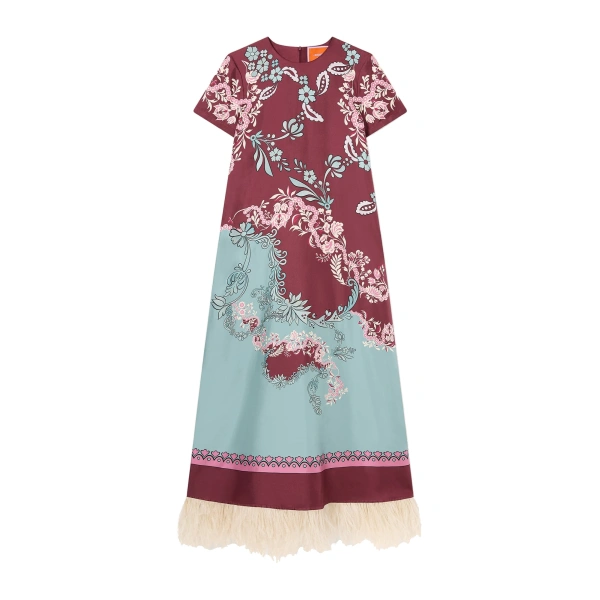
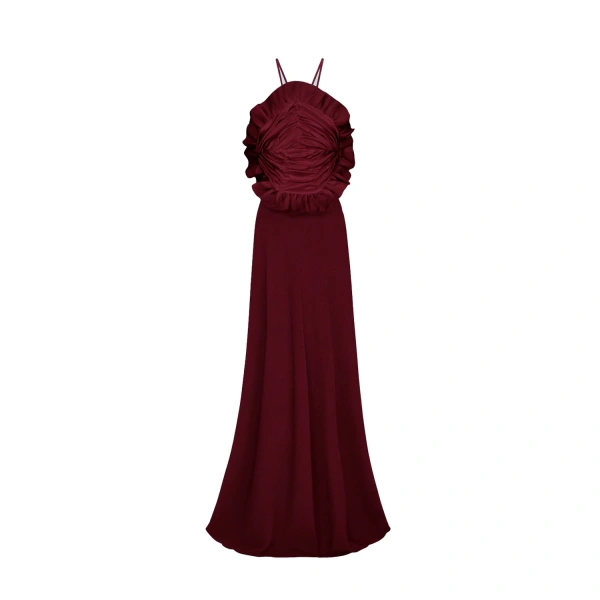
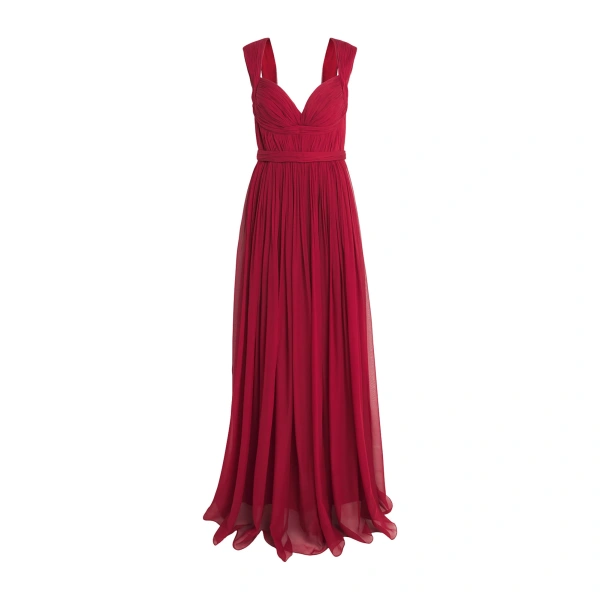
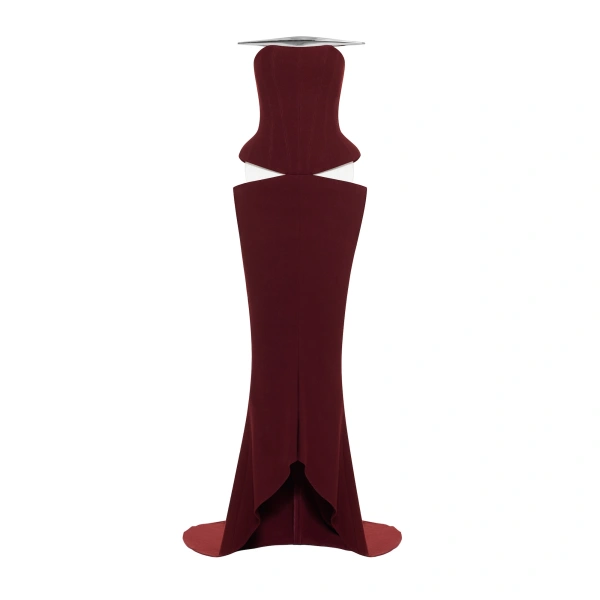
Dark Red Long Evening Bustier Dress in Crepe with Bow and Sequins
$14,390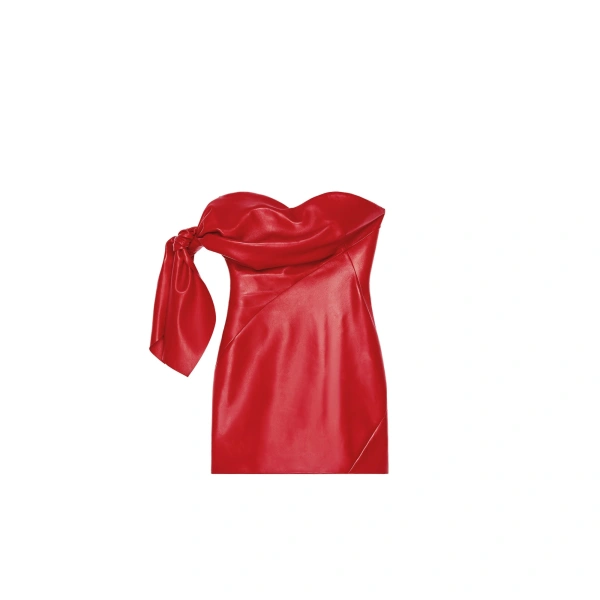
6 UK
8 UK
+6
10 UK
12 UK
14 UK
16 UK
18 UK
20 UK
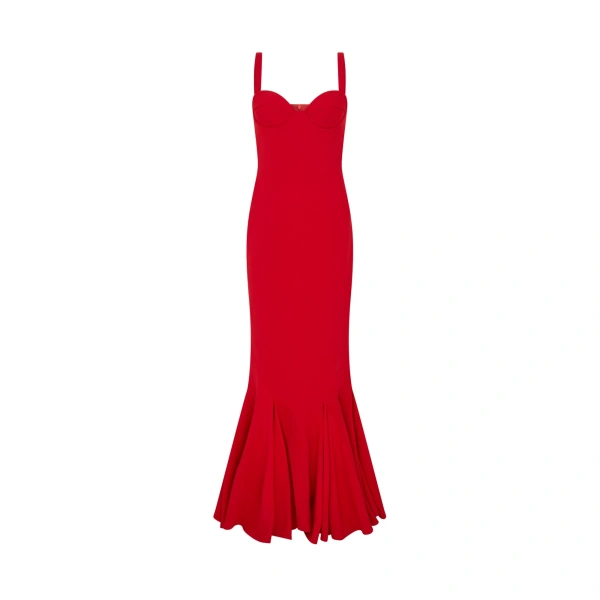
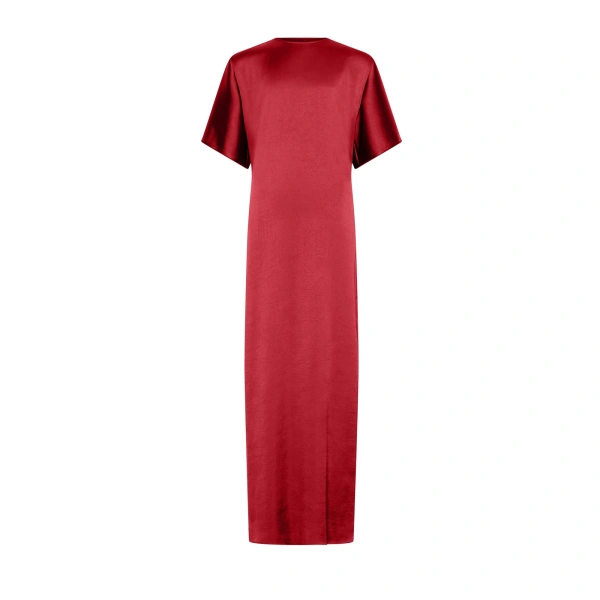
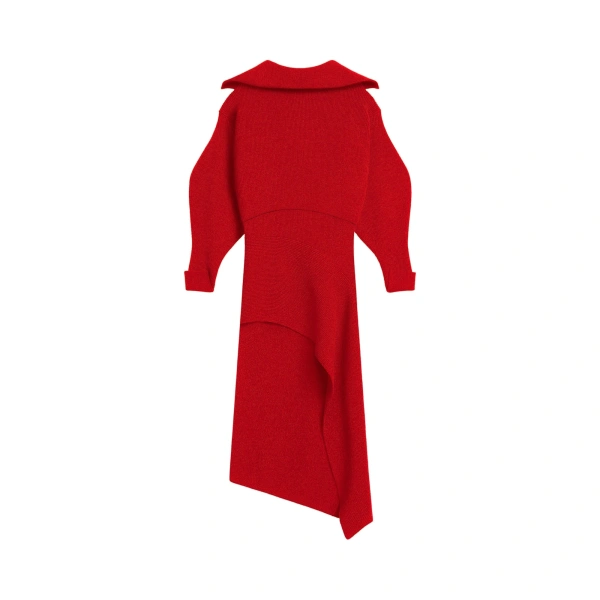
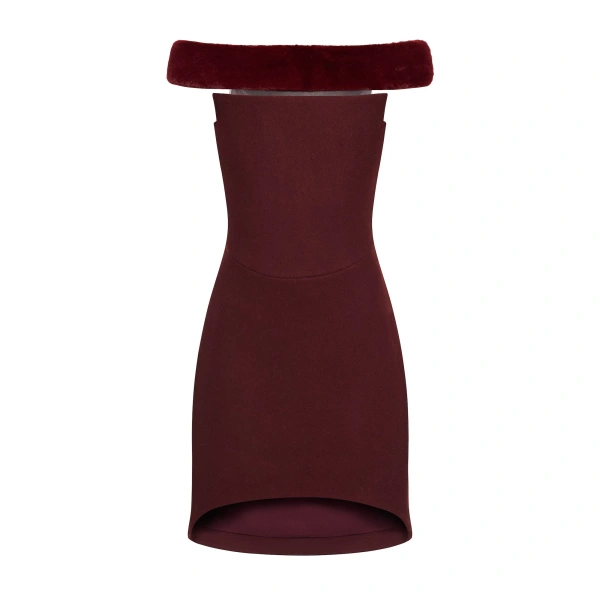
Poppy Red Mini Bustier Dress in Nappa Leather with Bow
$8,040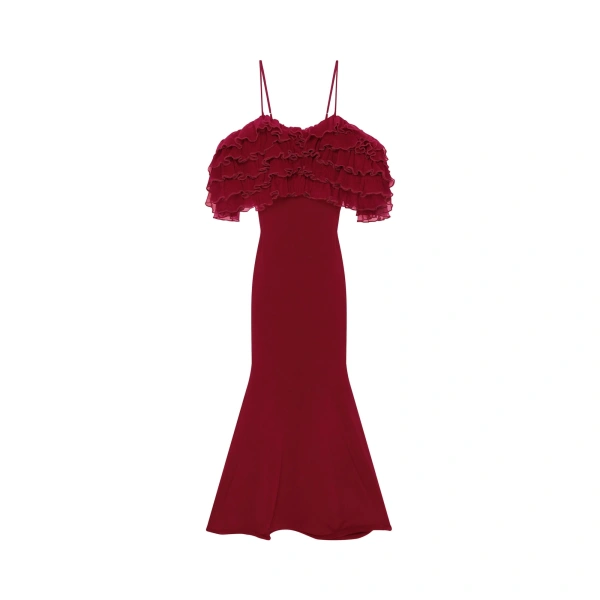
6 UK
8 UK
+6
10 UK
12 UK
14 UK
16 UK
18 UK
20 UK
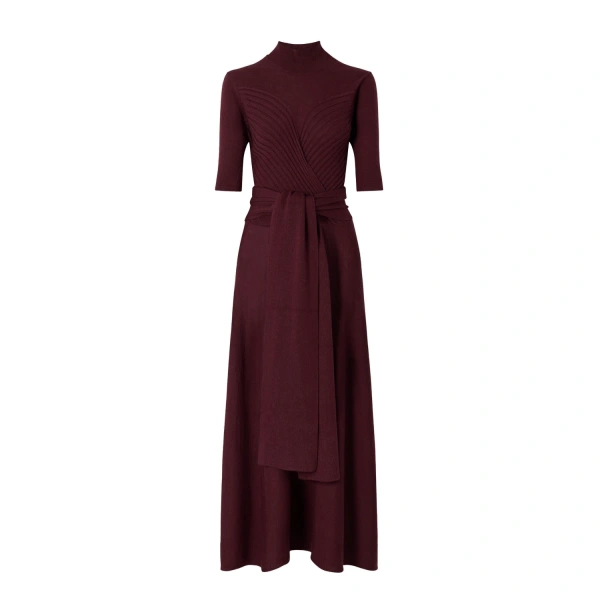
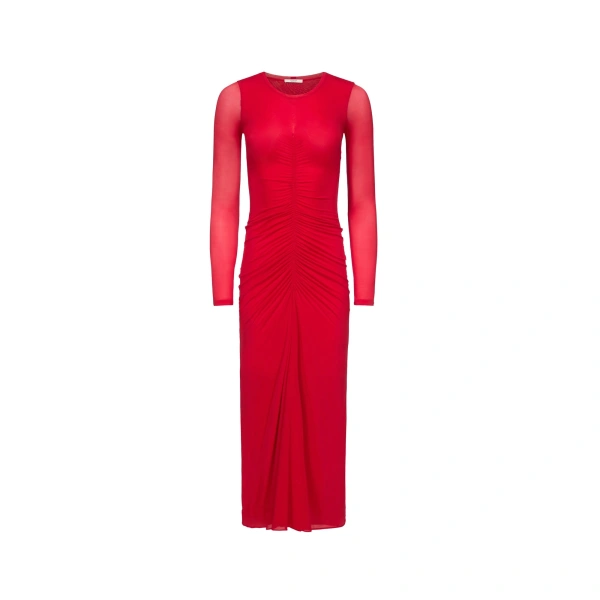
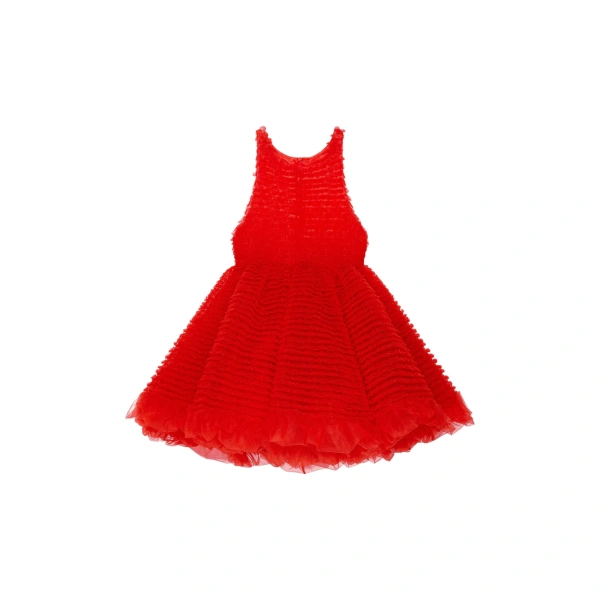
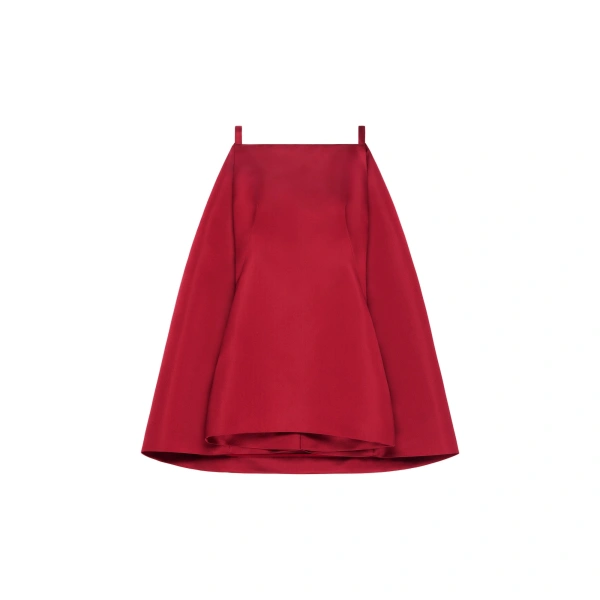
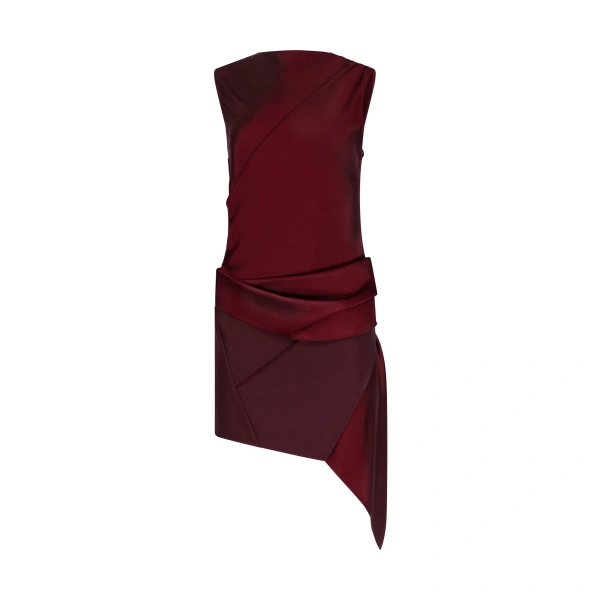
Dark Red Sliced Mini Dress in Satin with Cape
$6,300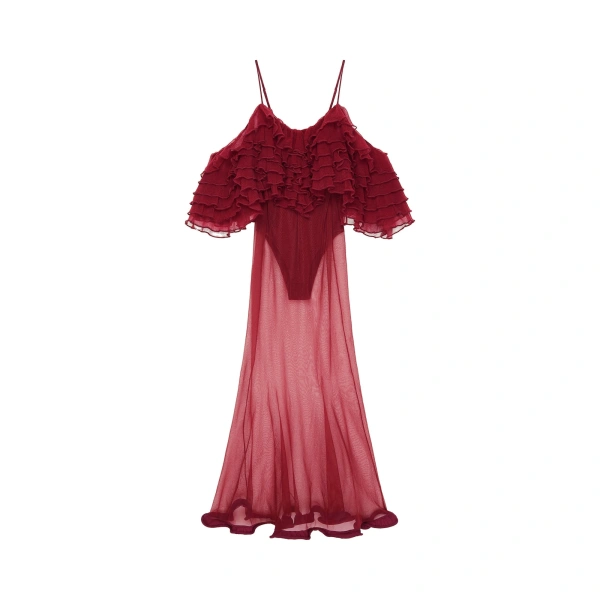
6 UK
8 UK
+6
10 UK
12 UK
14 UK
16 UK
18 UK
20 UK
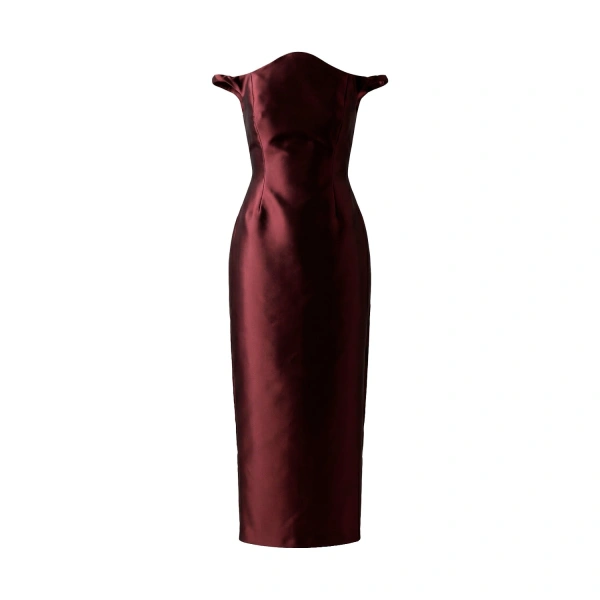
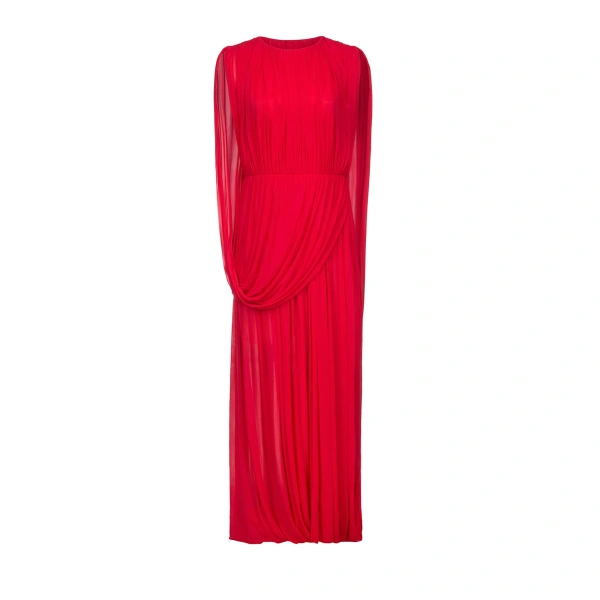
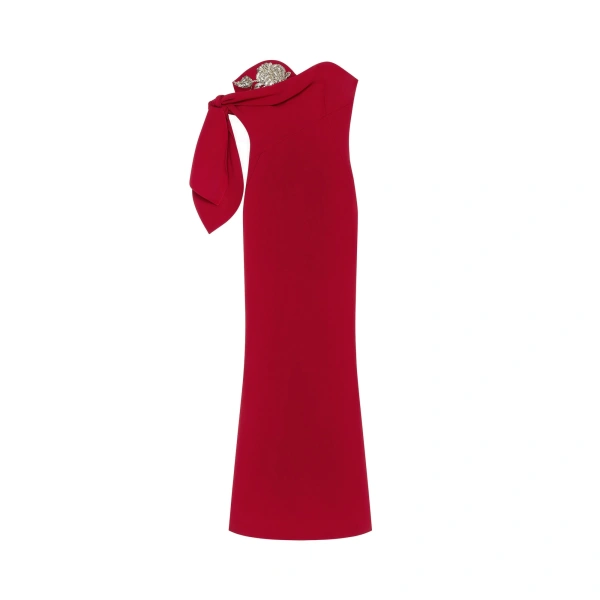
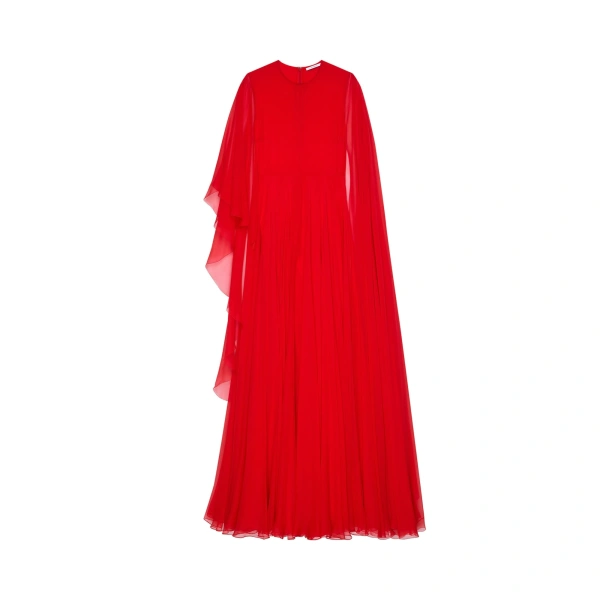
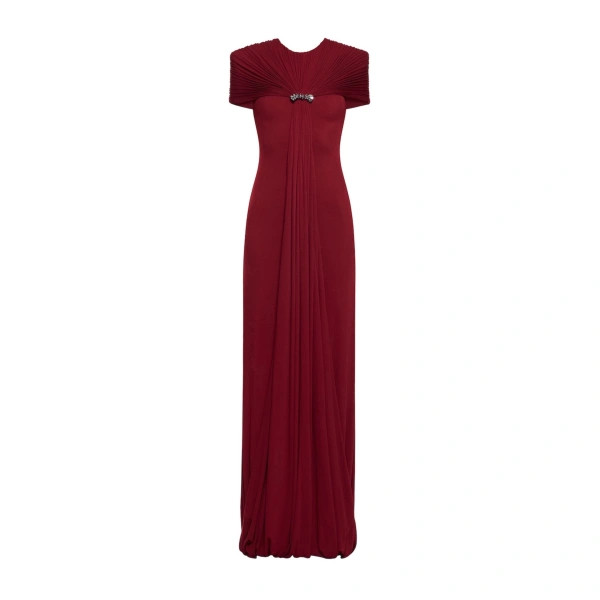
Red Draped Evening Dress in Chiffon with Cape
$11,220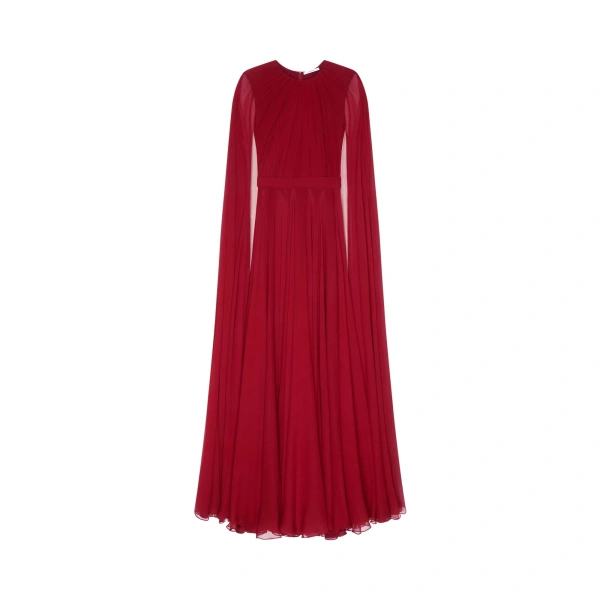
6 UK
8 UK
+6
10 UK
12 UK
14 UK
16 UK
18 UK
20 UK
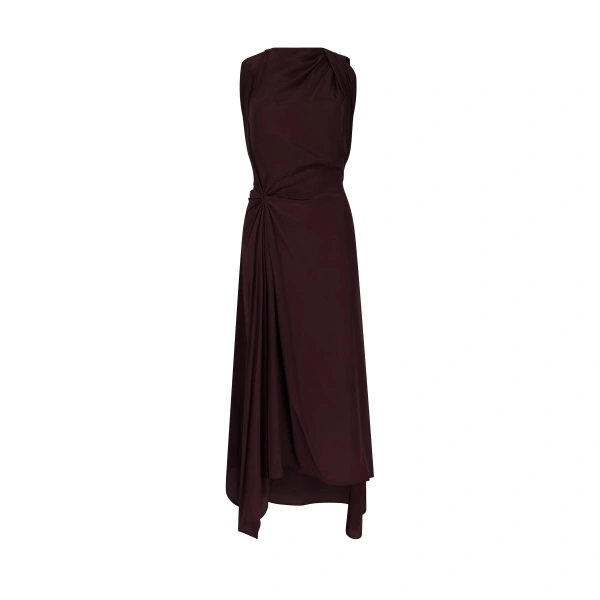
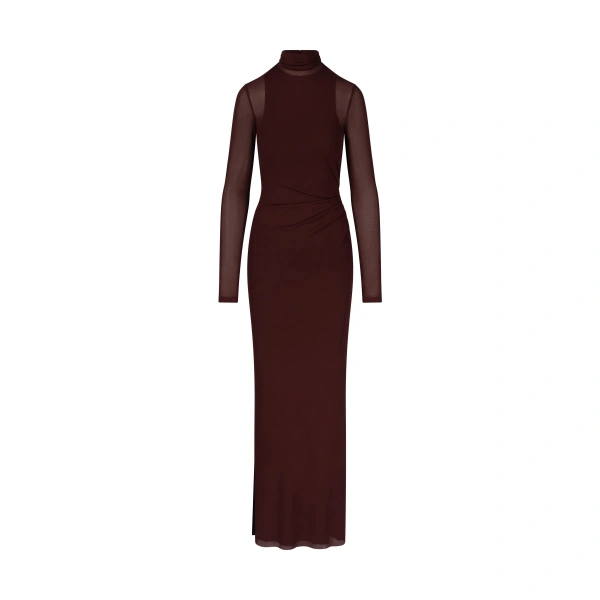
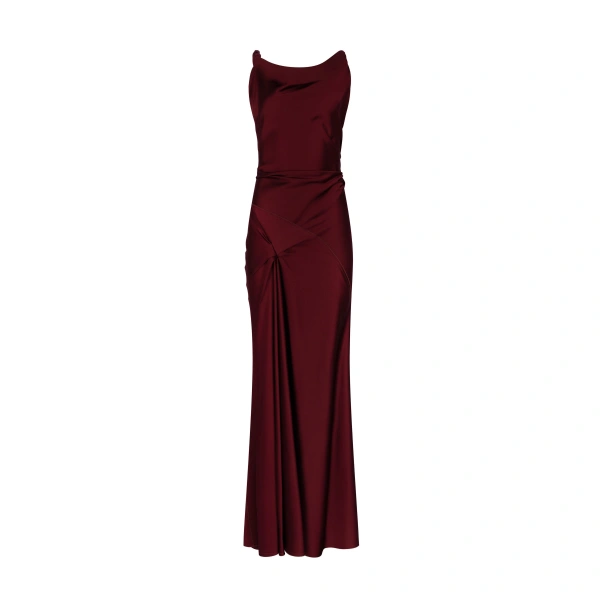
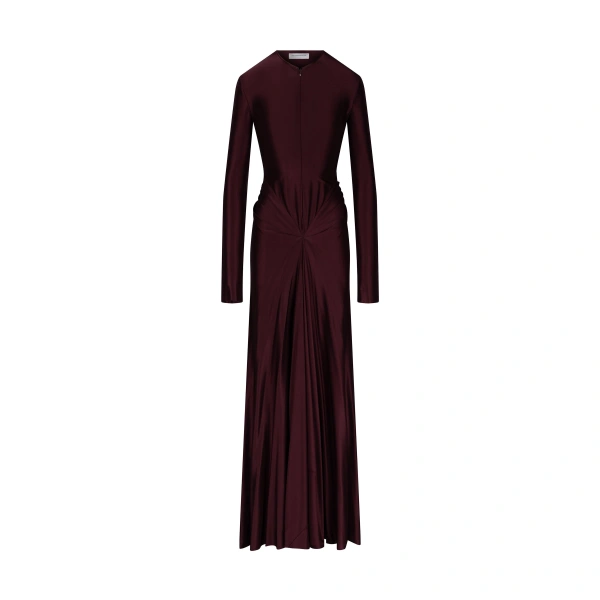
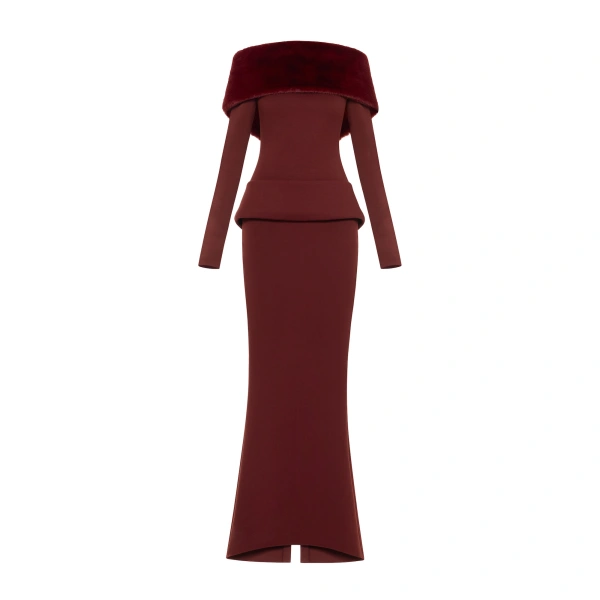
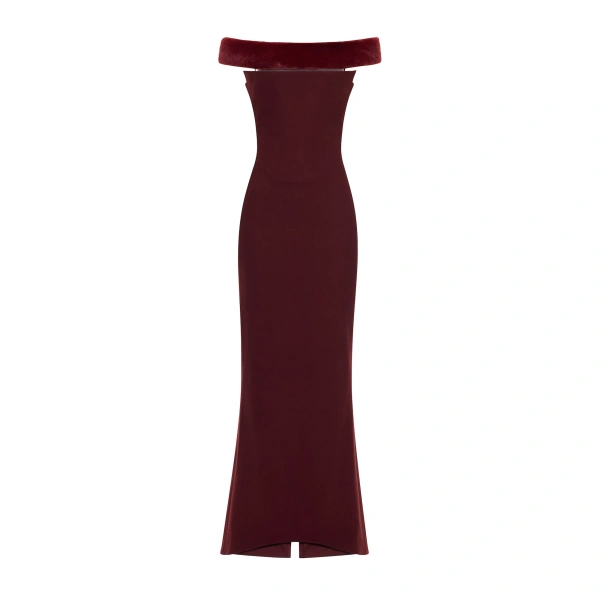
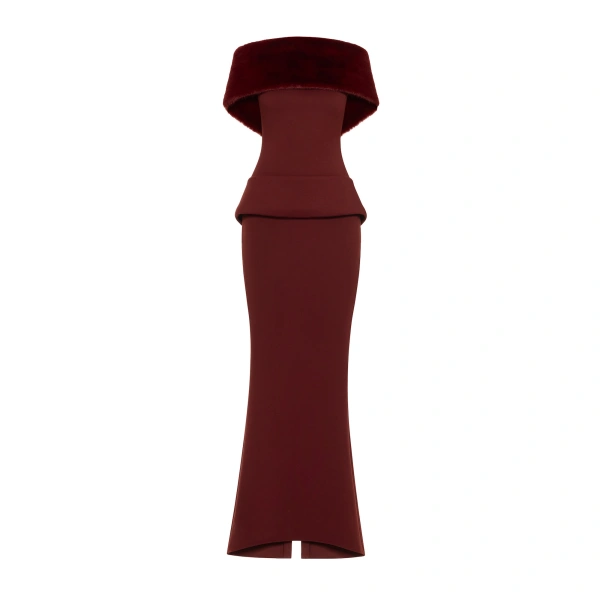
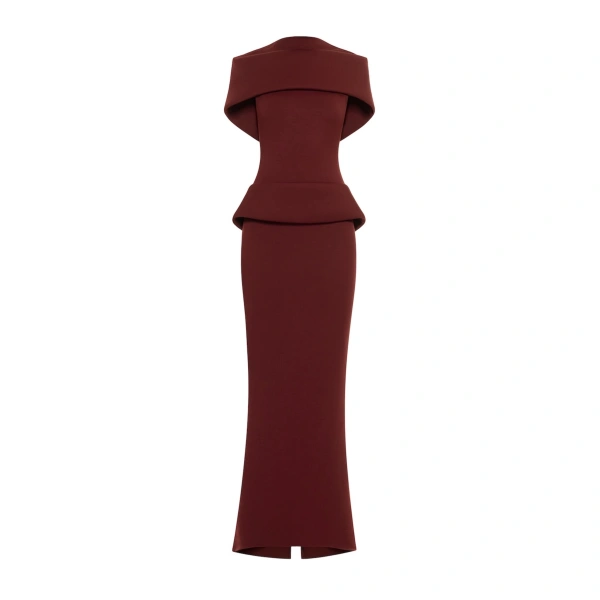
Dark Red Evening Dress in Silk Crepon with Cape
$14,390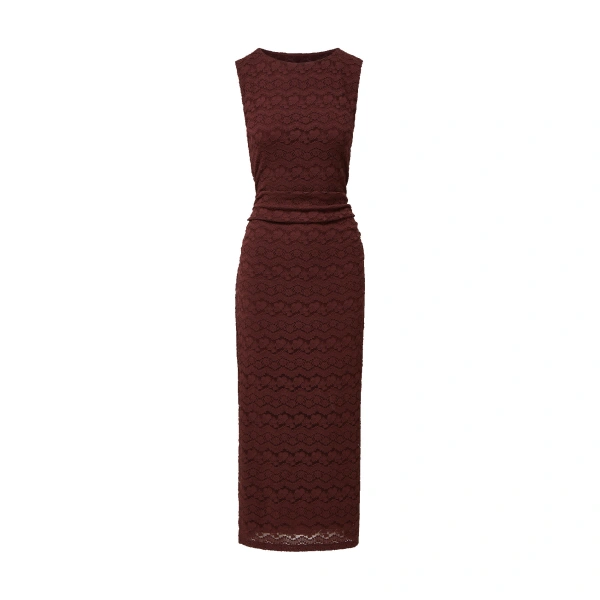
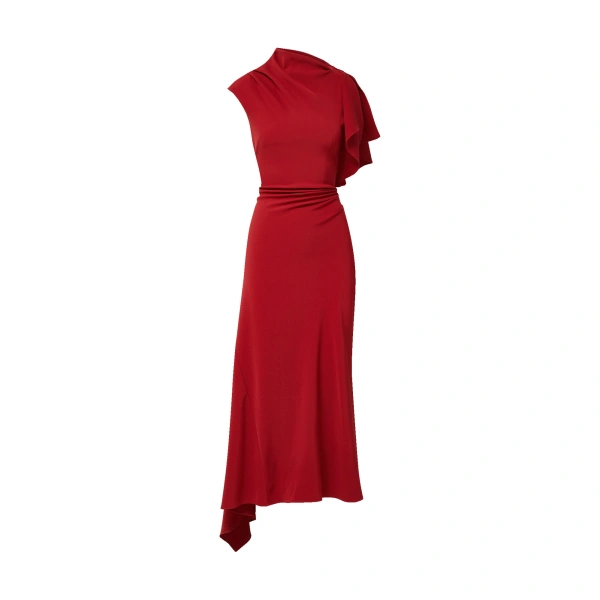
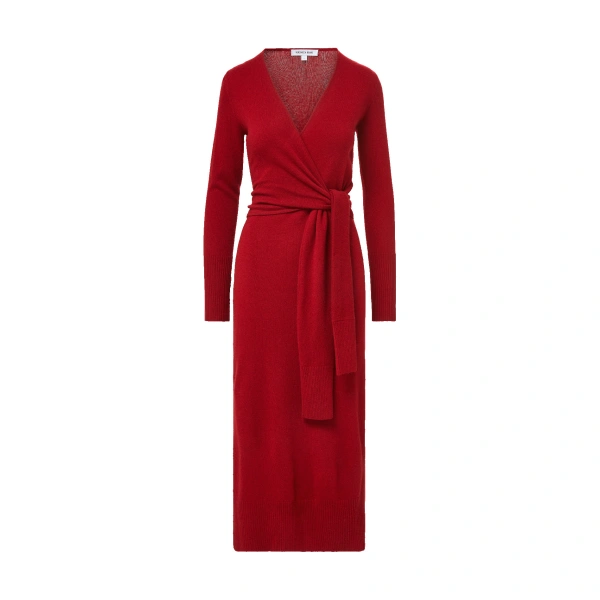
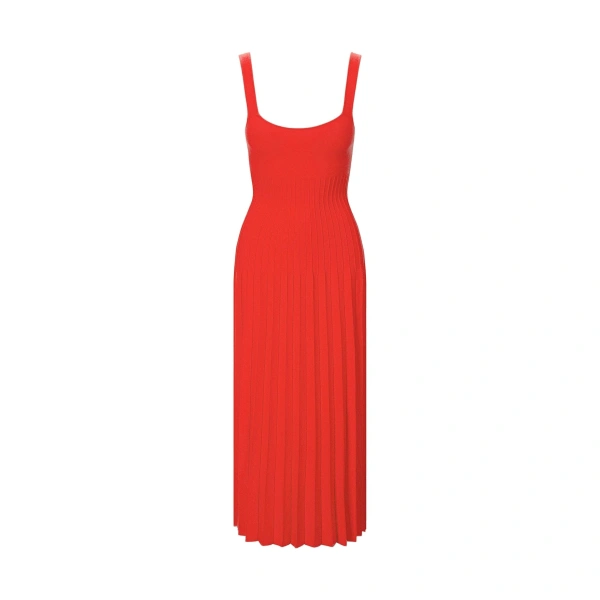
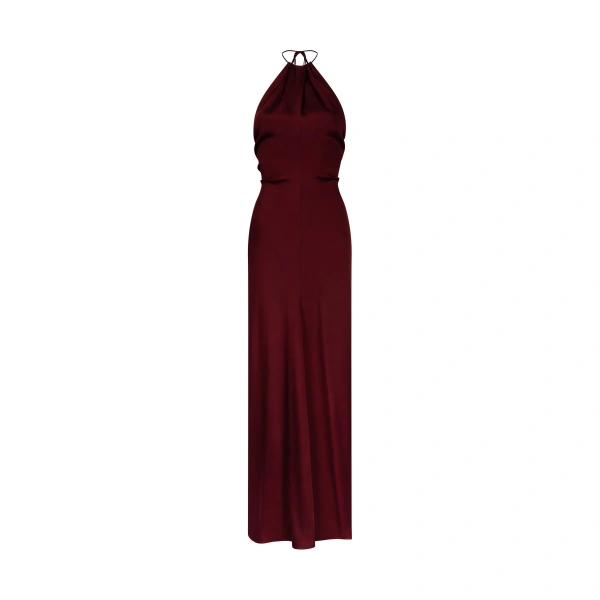

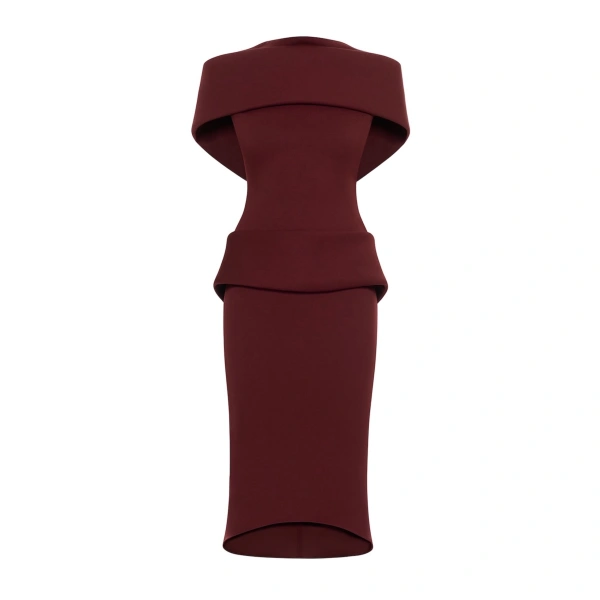
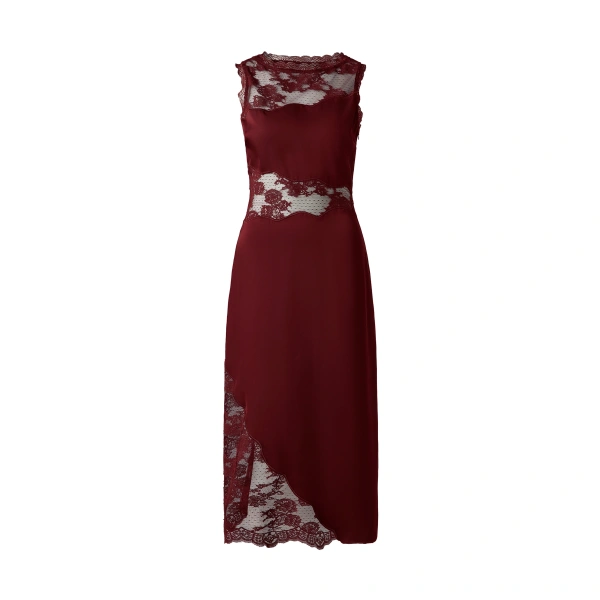
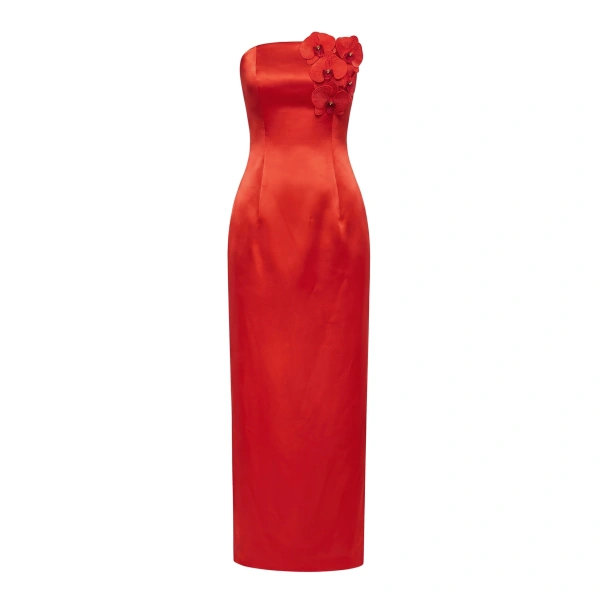
See every length in designer dresses, deeper reds on the burgundy dresses page and hotter, orange-leaning reds on the orange-red dresses page.
Which red suits you?
- True red and scarlet: the classic, bright red, strongest on cool and deep skin tones.
- Ruby and cherry: deeper, jewel reds that work on most skin tones and look rich in satin and velvet.
- Burgundy and wine: the darkest reds, made for autumn, winter and evening. Read our guide to burgundy evening gowns.
Red dresses by occasion
Black tie and galas: a floor-length red gown in silk and satin. See our guide to red evening gowns. Parties and the holidays: a red mini and midi in velvet, sequins and satin. Weddings: a red midi works for most evening receptions, but check the customs first, because in some cultures red is reserved for the bride.
How to style a red dress
Let the colour do the work. Gold jewellery, a nude heel and a small clutch are enough; black shoes work well for evening too. Red lipstick should match the undertone of the dress: blue-red with scarlet, brick with burgundy.
Frequently asked questions
What colour shoes go with a red dress?
Nude, black and metallic shoes all work. Nude lengthens the leg, black adds drama and gold keeps the look festive.
Can you wear a red dress to a wedding?
Usually yes, especially for an evening reception. In some cultures, including many Chinese and Indian weddings, red is the bride’s colour, so ask the couple first.
What jewellery goes with a red dress?
Gold is the classic pairing. Keep to one statement piece, such as bold earrings, so the dress stays the focus.