
In France, haute couture is not a compliment. It is a legal designation, protected since 1945, and the list of houses entitled to use the words is set each year by a commission convened under the Ministry of Industry and administered through the Chambre Syndicale de la Couture. A qualifying house makes to a client’s measurements in its own Paris atelier, with fittings, and shows two collections a year in Paris. The Fédération de la Haute Couture et de la Mode runs the calendar those shows sit on, which is a separate job. That kind of rule making is why French fashion argues with itself so productively.
Coveti carries 18 French houses, among them Schiaparelli, Alaïa, Lemaire, Saint Laurent, Jacquemus, Cartier, Patou and Polène, and the argument runs straight through them. Schiaparelli is back at 21 Place Vendôme, the address Elsa Schiaparelli took in 1935, and it still treats a garment as an object to be looked at. Alaïa answers from the Marais, where Azzedine Alaïa fitted clothes directly on the body and Pieter Mulier has kept the method. Lemaire sits further out again, indifferent to spectacle, in the register Christophe Lemaire developed while designing Hermès womenswear from 2010 to 2014.
The rest is less theoretical. Saint Laurent still sells the line it drew with Le Smoking in 1966. Simon Porte Jacquemus keeps pulling Provence into Paris. Cartier has the Tank, designed by Louis Cartier in 1917. Bags come from Polène, Destree and Ateliers Auguste. Outerwear and shearling from Yves Salomon, in Paris since 1920, and Nour Hammour. Evening from Alexandre Vauthier and Dice Kayek. Patou, bought by LVMH in 2018 and relaunched the following year, and AZ Factory, Alber Elbaz’s last house, sit in between. Maje, Casablanca and Ursul complete the 18.
Coveti stocks 16 French houses and 5,368 styles, priced in USD with express delivery worldwide.
The French designers at Coveti
- Schiaparelli 1,703 styles in stock at Coveti.
- Patou is the Paris house Jean Patou founded in 1914, reopened by LVMH in 2018 and run from an atelier on the Île de la Cité a few steps from Notre-Dame. 783 styles in stock at Coveti.
- Casablanca 536 styles in stock at Coveti.
- Alaia 448 styles in stock at Coveti.
- JACQUEMUS 403 styles in stock at Coveti.
- Saint Laurent 385 styles in stock at Coveti.
- Lemaire is a About Lemaire Lemaire is a French ready-to-wear house based in Paris. 210 styles in stock at Coveti.
- Yves Salomon is a luxury fur and outerwear company that has been creating high-quality garments since the late 19th century. 189 styles in stock at Coveti.
- Nour Hammour is a Parisian outerwear house built around one idea, which is a leather jacket good enough to keep. 172 styles in stock at Coveti.
- Destree 121 styles in stock at Coveti.
- Giambattista Valli 117 styles in stock at Coveti.
- Ateliers Auguste is the Parisian leather goods house of brothers Laurent and Xavier Valembert: structured, architectural handbags designed in Paris and handcrafted in the. 115 styles in stock at Coveti.
- Polene is a Polène is a Paris leather goods house founded in 2016 by siblings Antoine, Elsa and Mathieu Mothay. 82 styles in stock at Coveti.
- Maje 68 styles in stock at Coveti.
- Cartier 24 styles in stock at Coveti.
- Alexandre Vauthier is a French fashion house founded by designer Alexandre Vauthier in 2009. 12 styles in stock at Coveti.
In stock now
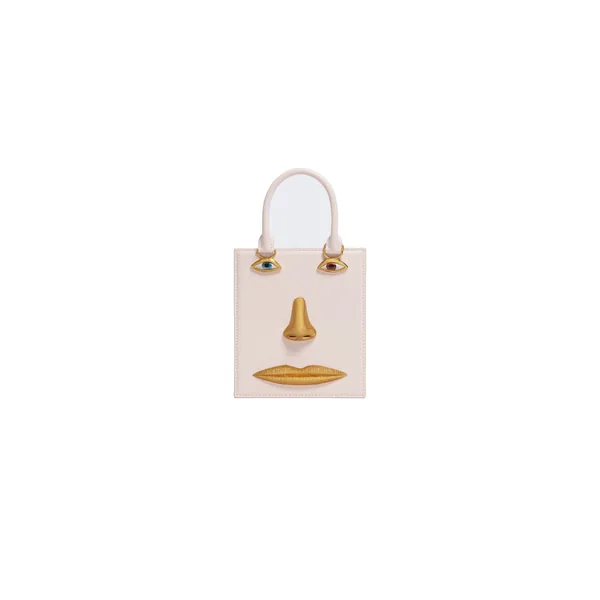 Mini Sac Face$10,310
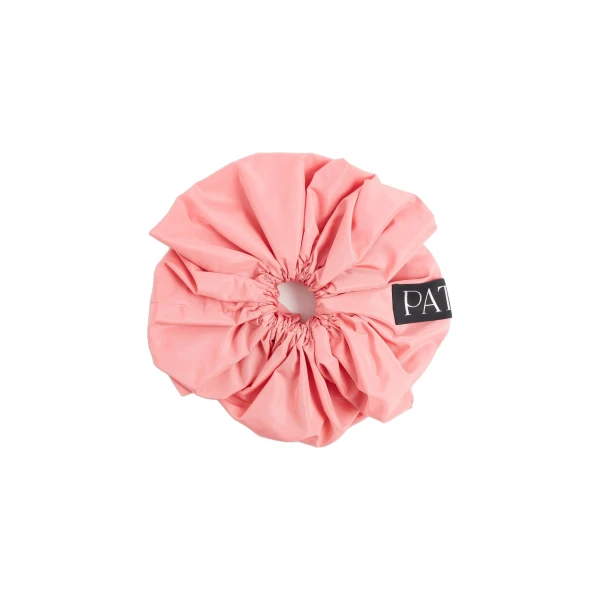 Voluminous scrunchie in Winter Bloom recycled polyester$260
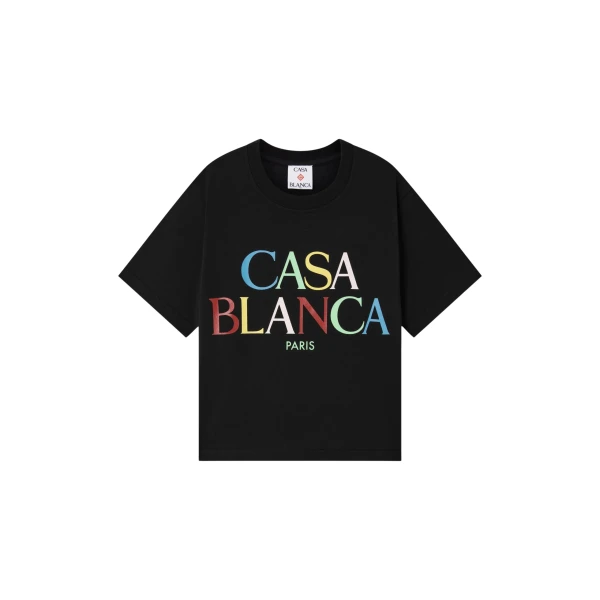 Black Logo Cropped Baby Short Sleeved T-Shirt$400
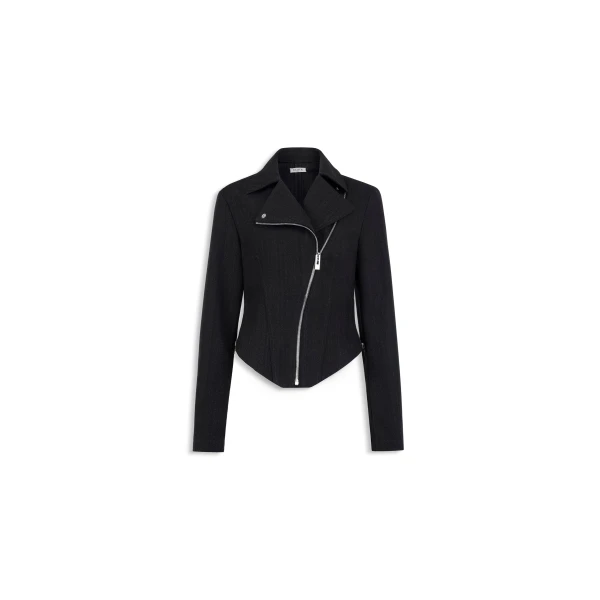 Wool Denim Biker Jacket$3,440
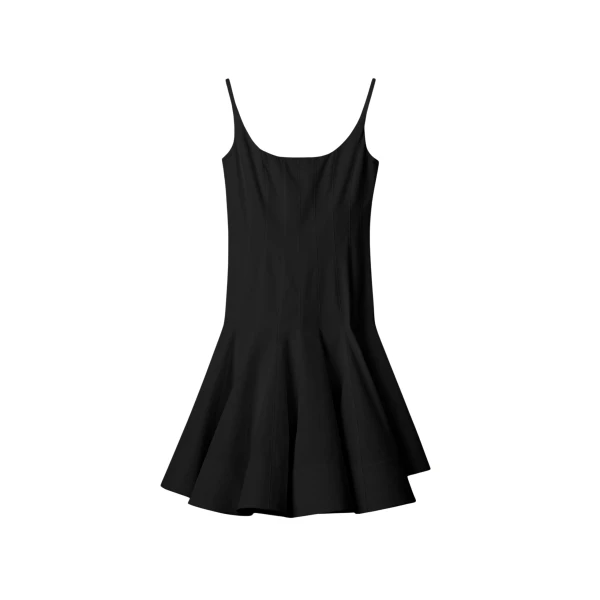 The Agave Mini Dress in Black$2,540
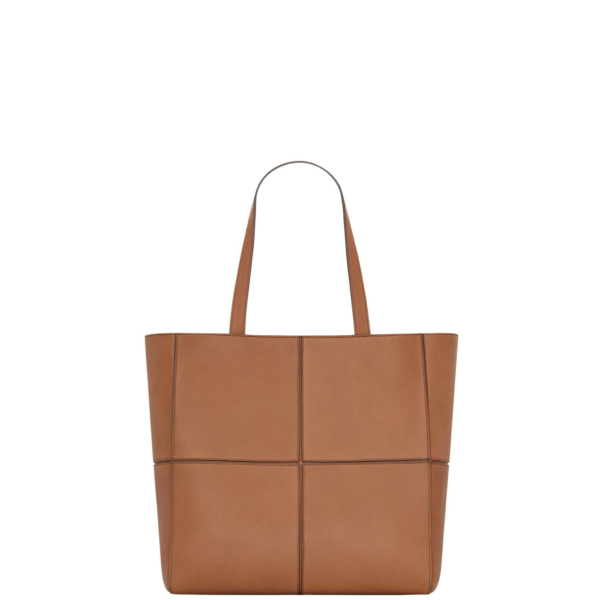 SAINT LAURENT PARIS small 4 CARRÉ tote in leather$4,710
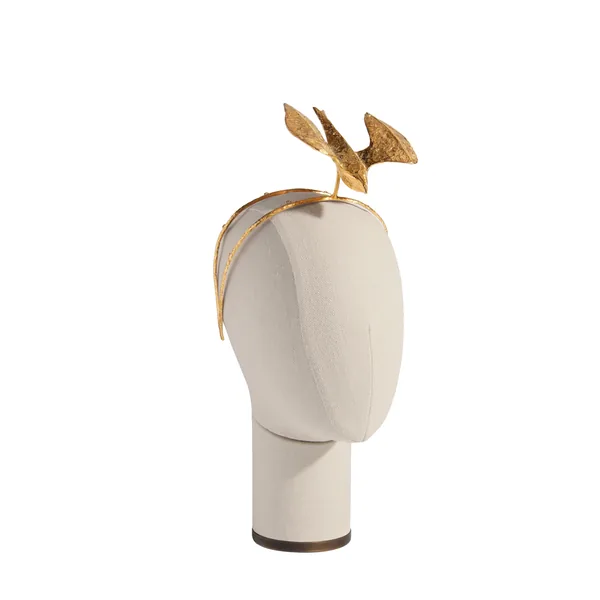 Dove Headband$13,310
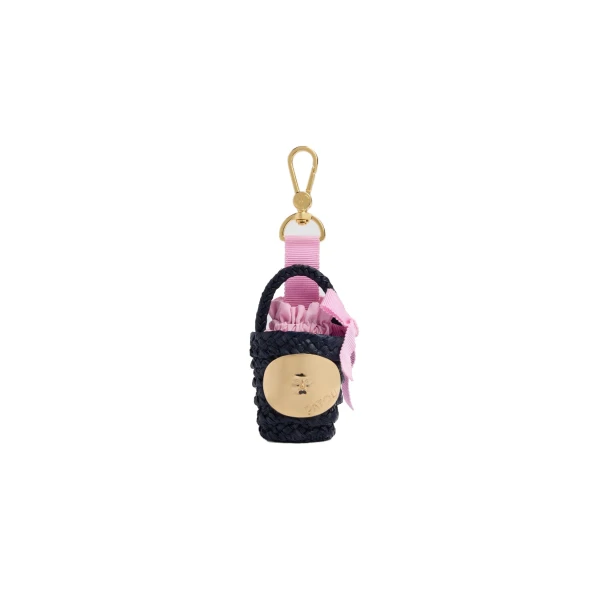 Raffia bucket bag charm in Deep Sea Blue$370
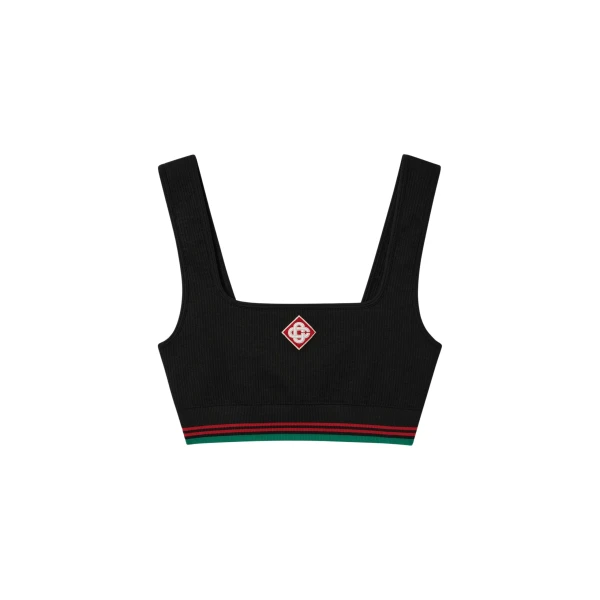 Black Seamless Bralette$350
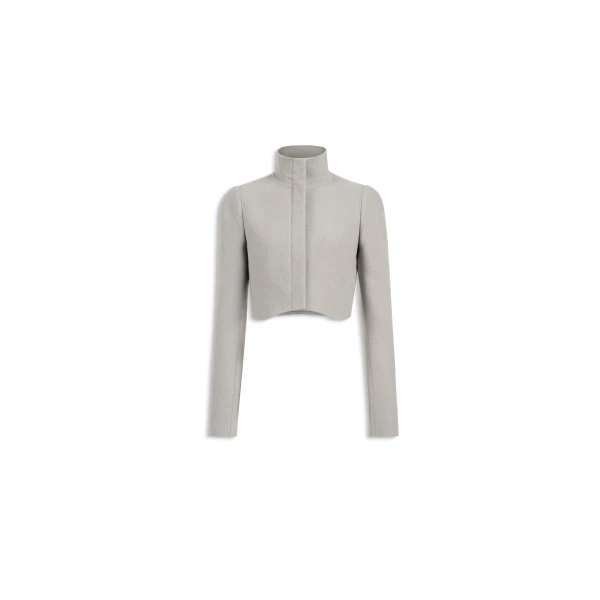 Wool Crepe Tailored Jacket in Grey$4,230
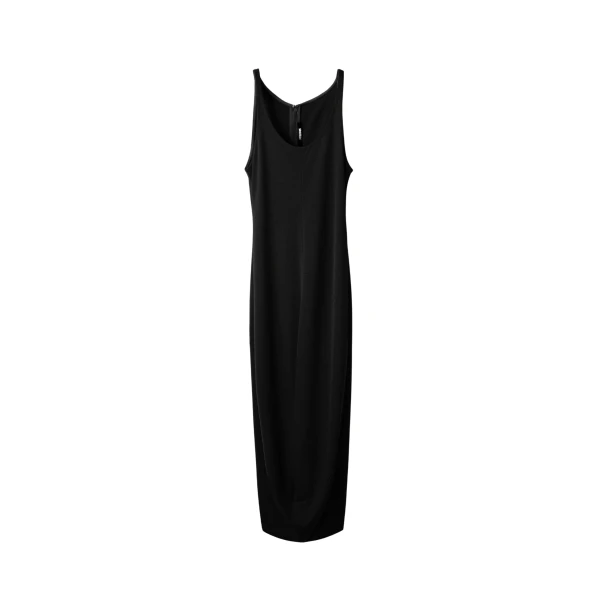 The Regata Dress in Black$1,570
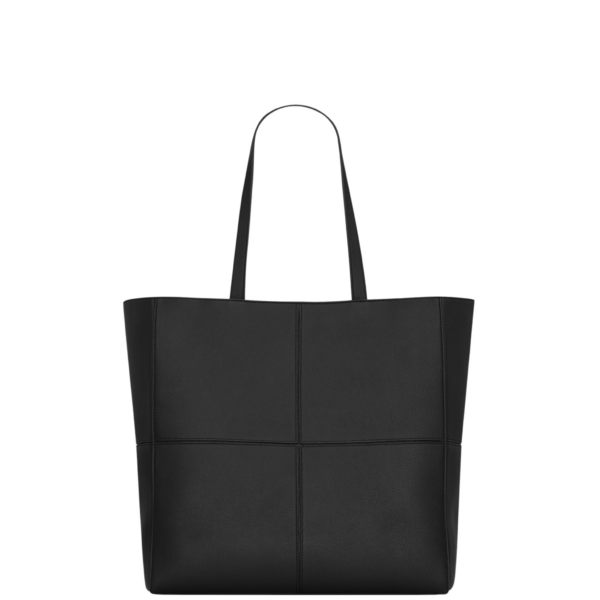 SAINT LAURENT PARIS 4 CARRÉ tote in leather$4,070
Frequently asked questions
Which French designers does Coveti carry?
The list on this page is live and shows every French house with stock at Coveti today. Schiaparelli, Casablanca, Alaïa, Jacquemus and Saint Laurent carry the deepest ranges, with Lemaire, Yves Salomon, Nour Hammour, Destree, Ateliers Auguste, Maje, Cartier, Patou and Alexandre Vauthier alongside.
What is the difference between haute couture and French ready to wear?
Haute couture is protected by French law rather than by fashion convention. A commission convened under the Ministry of Industry, administered through the Chambre Syndicale de la Couture, sets the list of houses entitled to the words each year. A qualifying house makes to a client’s measurements in its own Paris atelier, with fittings, and shows two collections a year in Paris. Ready to wear is cut to standard sizes and sold finished. Schiaparelli shows on the Paris couture calendar, which the Fédération de la Haute Couture et de la Mode runs, but what Coveti sells is ready to wear.
What size will a French label be at Coveti?
Coveti lists every French house on the UK ladder, so there is nothing to convert at checkout. A French 36 shows as UK 8, a 38 as UK 10 and a 40 as UK 12, which is the French number minus 28. Letter sizing is left as the house cut it. Country of origin is stated on every product page.
Which French label is best for understated, minimal clothes?
Lemaire. Christophe Lemaire and Sarah-Linh Tran design for volume and drape rather than logo, and the house is known for the Croissant bag and soft tailoring. Ursul works a similar register at lower prices. For the opposite instinct, Schiaparelli is the theatrical end of the same city.
What is Alaïa known for?
Azzedine Alaïa cut and fitted garments directly on the body rather than sketching them first, which is why the house is associated with stretch knit dressing, laser cut leather and exact seaming. He worked from rue de Moussy in the Marais and died in 2017. Pieter Mulier has been creative director of Alaïa since 2021.