
Italian luxury is regional before it is national. Hides are tanned in Tuscany, silk printed around Como, yarn spun in Biella, knitwear made in Umbria and straw hats woven by hand in the Marche. Milan holds the business and most of the tailoring. Most of these houses work within reach of the workshops that supply them, which is why the first question about an Italian piece is usually how it was made and where. See every house we carry in the Coveti designer index.
Gucci opened in Florence in 1921 as a leather goods and luggage maker, and the saddlery references still turn up in the hardware. Bottega Veneta started in Vicenza in 1966, and the intrecciato weave, thin strips of leather worked by hand into a lattice, is still what the house is known for. Valextra has been making cases and bags in Milan since 1937, on clean architectural shapes with almost nothing on the outside to identify them. Brunello Cucinelli works from Solomeo in Umbria, and Fabiana Filippi knits in Giano dell’Umbria, in the same region. Braschi has been making fur coats in Italy since the 1950s, and Montegallo weaves its straw in the Marche.
The younger Milanese labels work narrower ground. Blazé Milano builds each collection out from the blazer. The Attico, founded by Gilda Ambrosio and Giorgia Tordini, dresses for evening without apologising for it. La DoubleJ, started in Milan by the American journalist J.J. Martin, prints in colour combinations most houses would talk themselves out of. Taller Marmo, founded in 2013 by Riccardo Audisio and Yago Goicoechea, an Italian and an Argentinian who met at Istituto Marangoni in Milan, works between Milan and Dubai on the kaftan. Alessandra Rich, born in Milan and showing from London, holds to a stricter proportion.
Coveti carries 16 Italian houses in total, including Gucci, Bottega Veneta, Valextra, Brunello Cucinelli, Giambattista Valli, The Attico, La DoubleJ, Blazé Milano, Fabiana Filippi and Rosantica.
Coveti stocks 20 Italian houses and 8,939 styles, priced in USD with express delivery worldwide.
The Italian designers at Coveti
- La DoubleJ 1,406 styles in stock at Coveti.
- Brunello Cucinelli is the Italian house founded in 1978 by Brunello Cucinelli, who began with women's knitwear in coloured cashmere. 1,358 styles in stock at Coveti.
- Versace is the Milan fashion house Gianni Versace founded in 1978, known for the Medusa head, the Greca border and the gold Barocco print. 1,107 styles in stock at Coveti.
- Valextra is the Milan leather goods house Giovanni Fontana founded in 1937 in Piazza San Babila, and it is one of the few luxury names that puts no logo on the outside of. 1,017 styles in stock at Coveti.
- The Attico is the Milan label founded in 2016 by Gilda Ambrosio and Giorgia Tordini, named after the Italian word for penthouse and built on the going-out dress: fringe. 528 styles in stock at Coveti.
- Fabiana Filippi is an Italian luxury house known for cashmere knitwear and quiet tailoring, made in Italy and finished by hand. 494 styles in stock at Coveti.
- Moncler is the down specialist founded in 1952 in Monestier-de-Clermont, near Grenoble in the French Alps, and now based in Milan. 458 styles in stock at Coveti.
- Taller Marmo is the eveningwear house that Riccardo Audisio and Yago Goicoechea founded in 2013, after meeting as students at the Istituto Marangoni in Milan. 456 styles in stock at Coveti.
- Blazé Milano 441 styles in stock at Coveti.
- Bottega Veneta is a The Bottega Veneta Legacy: The Architecture of Intrecciato Discover how this historic Italian house created the most recognizable signature in luxury fashion without ever. 376 styles in stock at Coveti.
- Paris Texas is the Milan footwear label that put a fashion heel on the cowboy boot. 342 styles in stock at Coveti.
- Alessandra Rich makes occasion clothes with a defined waist and a strong shoulder, cut in Italy from silk crêpe de chine, tweed bouclé and Chantilly lace, and the house. 337 styles in stock at Coveti.
- Amina Muaddi is the Paris footwear house founded in 2018 by the Jordanian-Romanian designer of the same name, known for the flared signature heel, a stiletto that widens. 182 styles in stock at Coveti.
- Alanui is a Italian luxury knitwear label founded in Milan in 2016 by siblings Carlotta and Nicolo Oddi, known for the fringed jacquard Icon cardigan. 136 styles in stock at Coveti.
- Avaro Figlio is a The Coveti Guide to Avaro Figlio Avaro Figlio is a couture eveningwear house in Milan, founded in 2009 by co-creative directors Dario Biglino and Sulabh Kalra. 133 styles in stock at Coveti.
- BRASCHI 72 styles in stock at Coveti.
- Rosantica Milano is a Rosantica Bags: The Epitome of Italian Designer Handbags In the glamorous world of luxury fashion, few brands stand out like Rosantica. 46 styles in stock at Coveti.
- Montegallo 44 styles in stock at Coveti.
- Annalisa Caricato 4 styles in stock at Coveti.
- Gucci is a The Gucci Ancora Era: A Return to Italian Tailoring Discover how Creative Director Sabato De Sarno is redefining the legendary Florentine house with a focus on 'real. 2 styles in stock at Coveti.
In stock now
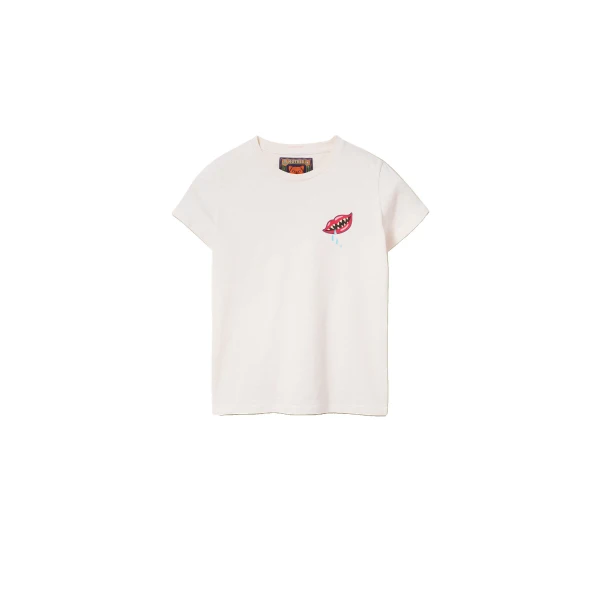 The Sinful T-Shirt in Team Player White$520
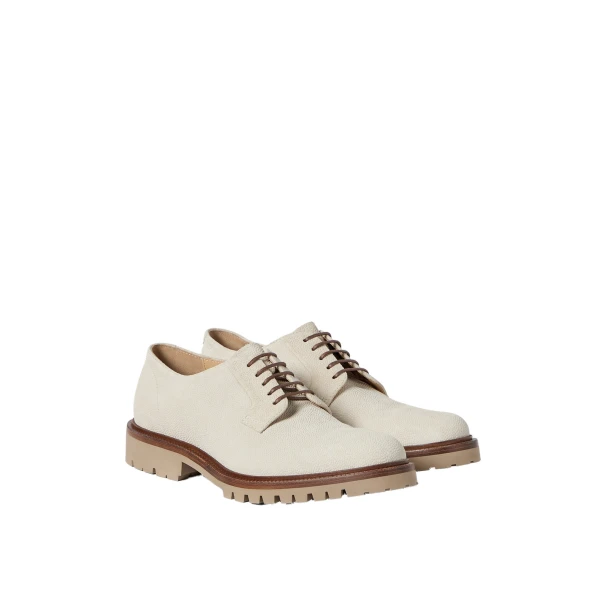 Textured suede Derbys in Milk$2,450
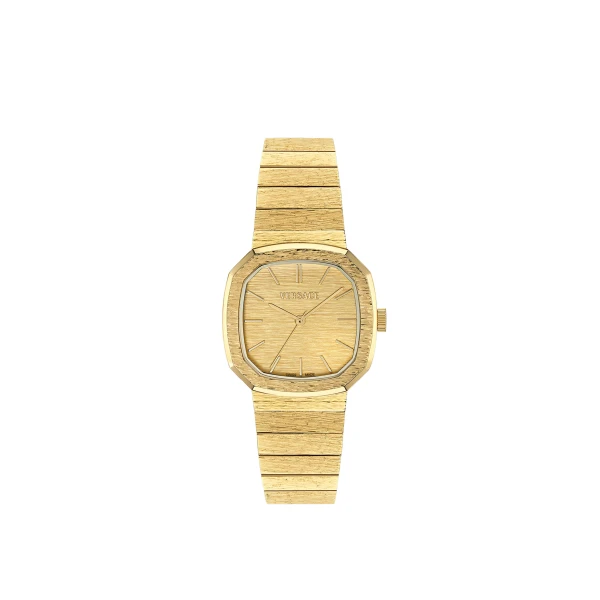 V-Arcadis Watch in Gold$2,230
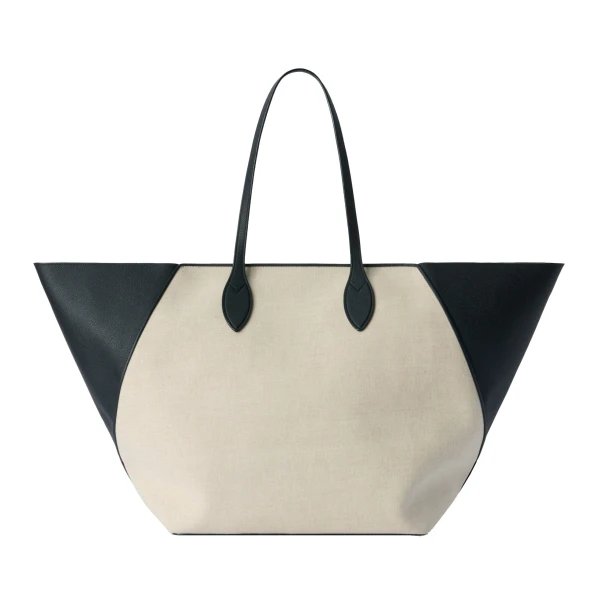 Vivi Canvas Shopping Large Bag in Sand Brown and Black$4,520
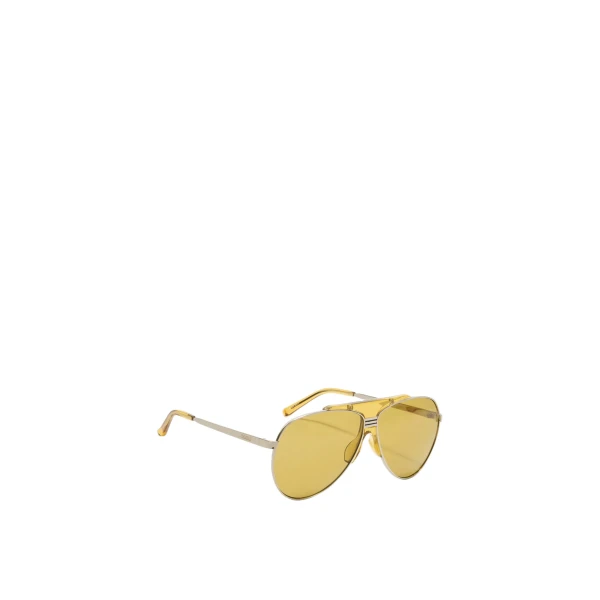 Aviator Sunglasses in Sunny Yellow$530
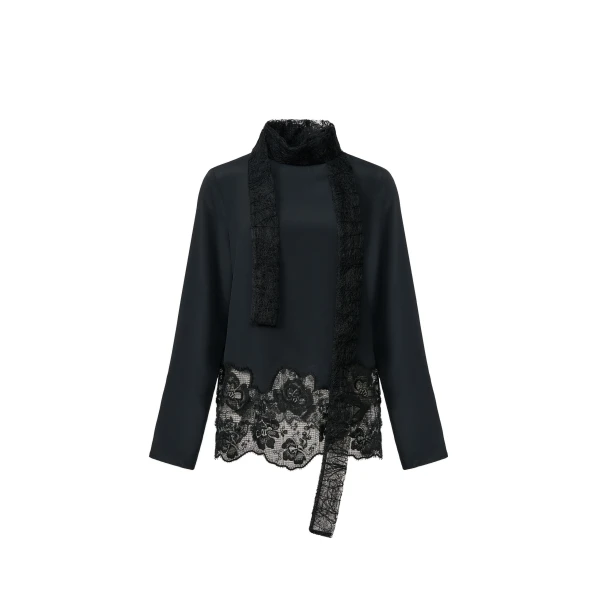 Crêpe de Chine Top in Black$1,640
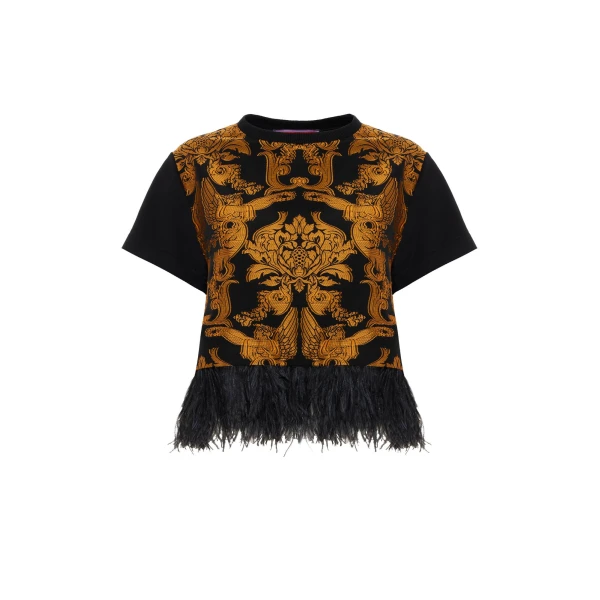 La Scala Tee in Cherubs Black$1,150
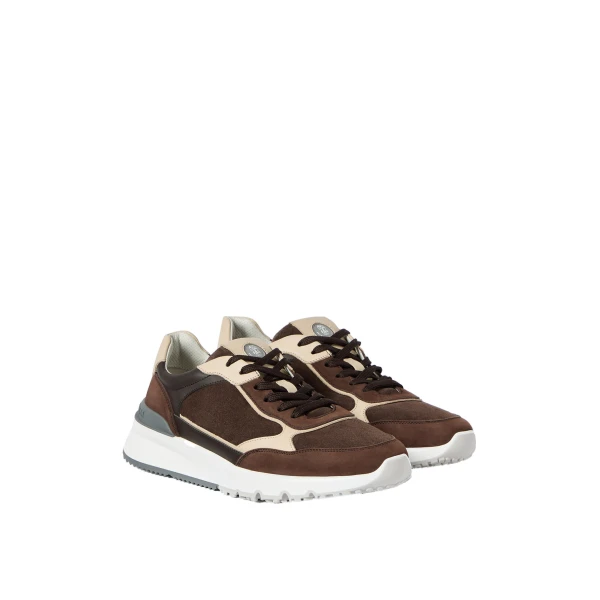 Nubuck and suede runners in Sand$2,050
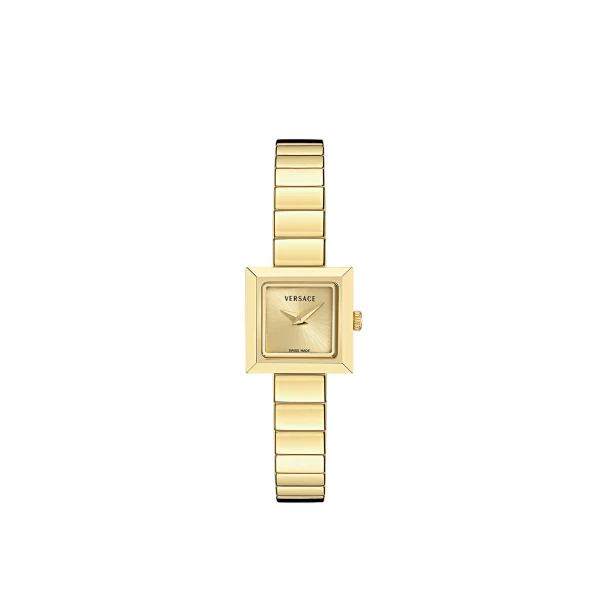 V-Square Petite Watch in Gold$2,230
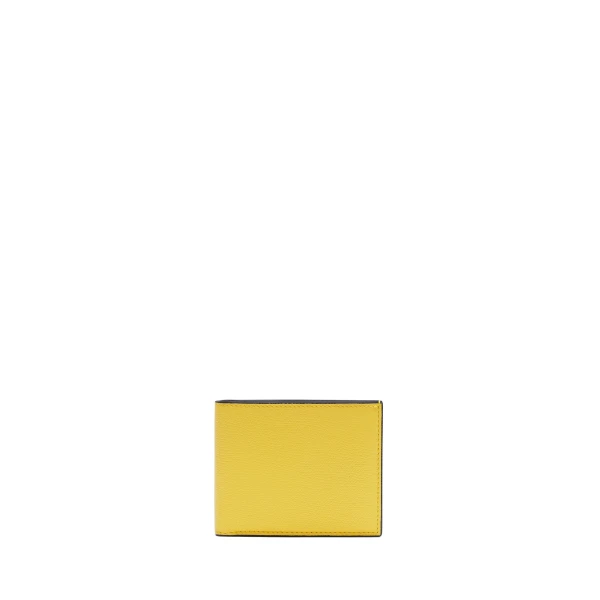 Wallet 4CC with Coin Holder in Yellow$880
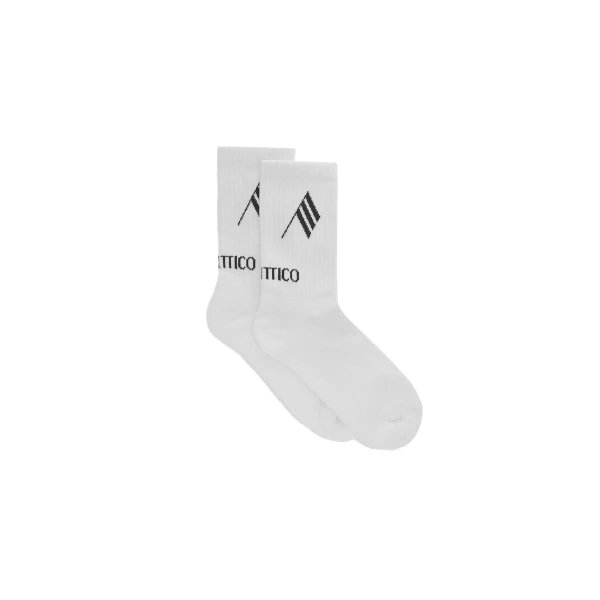 Socks in Milk and Black$200
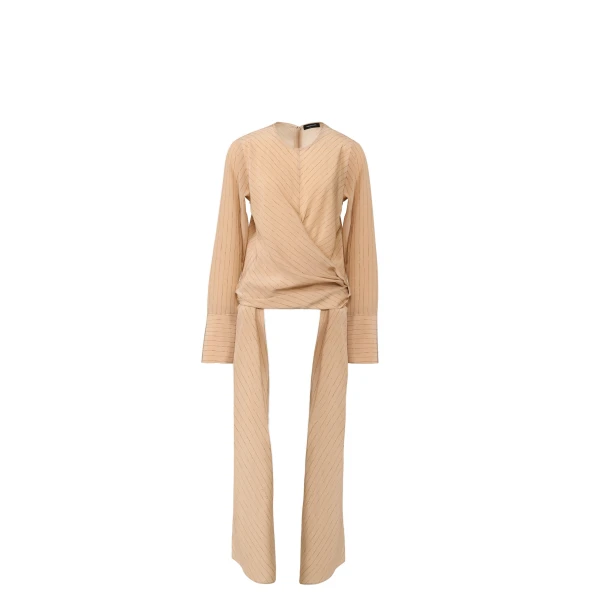 Printed Crêpe de Chine Top in Maple$1,570
Frequently asked questions
Which Italian designers does Coveti stock?
The list on this page is live and shows every Italian house with stock at Coveti today. Brunello Cucinelli, La DoubleJ, The Attico, Blazé Milano and Fabiana Filippi carry the deepest ranges, with Bottega Veneta, Valextra, Paris Texas, Alessandra Rich, Amina Muaddi, Taller Marmo, Braschi, Rosantica, Montegallo and Annalisa Caricato alongside.
Is a label Italian if it is only made in Italy?
Made in Italy is a manufacturing fact, and a great many houses with no Italian identity can claim it, because the tanneries, spinners and hat makers here take outside work. Coveti’s Italian edit groups by the tradition a house works in, and names the divergence when there is one. Giambattista Valli was born in Rome and runs his house from Paris. Alessandra Rich was born in Milan and shows from London. Tonya Hawkes was born in the United States and ran design at Furla in Bologna before building her own company in Italy, where her bags are made. Taller Marmo was founded by an Italian and an Argentinian and works between Milan and Dubai. None of that is hidden on the product pages.
Which Italian house is best known for leather?
Bottega Veneta, founded in Vicenza in 1966, is the reference point, with its intrecciato weave of hand worked leather strips. Valextra, making bags and cases in Milan since 1937, goes the other way, on clean architectural shapes and almost no visible branding. Gucci, founded in Florence in 1921, began as a leather goods and luggage business and still carries the saddlery in its hardware. All three are stocked at Coveti, alongside Annalisa Caricato, who makes sculptural leather bags in Italy.
Where are the Italian knitwear houses at Coveti based?
Two of them are in Umbria rather than Milan. Brunello Cucinelli, founded in 1978, works from the restored hamlet of Solomeo near Perugia. Fabiana Filippi has been based in Giano dell’Umbria since 1985 and is known for fine gauge knitwear. Umbria is the knitting region; the yarn itself is generally spun in Biella, up in Piedmont. Both houses sit alongside Milanese labels including The Attico, Blazé Milano and La DoubleJ.
What size will an Italian label be at Coveti?
Coveti lists Italian houses on the UK ladder, so the IT number is already converted for you. An IT 40 is a UK 8, an IT 42 a UK 10 and an IT 44 a UK 12, which is the Italian number minus 32. Letter sizing is left as the house cut it, and country of origin is stated on every product page.
Which Italian labels at Coveti are best for evening?
The Attico, founded in Milan in 2016 by Gilda Ambrosio and Giorgia Tordini, and Giambattista Valli, the Rome born designer who shows his house from Paris. Alessandra Rich, born in Milan, covers occasion dressing in tweed and crystal. Rosantica, founded in Milan by Michela Panero, makes the crystal and chain bags to finish it, and Braschi cuts the fur to go over the top.