

There is no formal dress code at most theatres, so smart casual is the right level: a knit with tailored trousers, a midi dress with boots, or dark jeans with a good jacket. Dress up a little more for an evening opening night, a gala performance or a box seat, and dress for comfort as well, because you will be sitting for two to three hours in a warm auditorium.
The theatre dress code, explained
In London’s West End and on Broadway, theatres do not enforce a dress code for ordinary performances. You will see everything from suits to hoodies in the same row. That freedom is exactly why people ask what to wear: the goal is to look like you made an effort for an evening out, without looking overdressed next to everyone else.
A good benchmark is what you would wear to a nice restaurant. Many people combine the two, with dinner before the show, so an outfit that works at a table for two will work in the stalls.
The exceptions are press nights, premieres, charity galas and some festival performances, where the invitation will usually state a dress code. For those, follow it. Matinees run the other way: daytime performances are the most relaxed of all.
Coveti Fashion Agent
Dress for the theatre
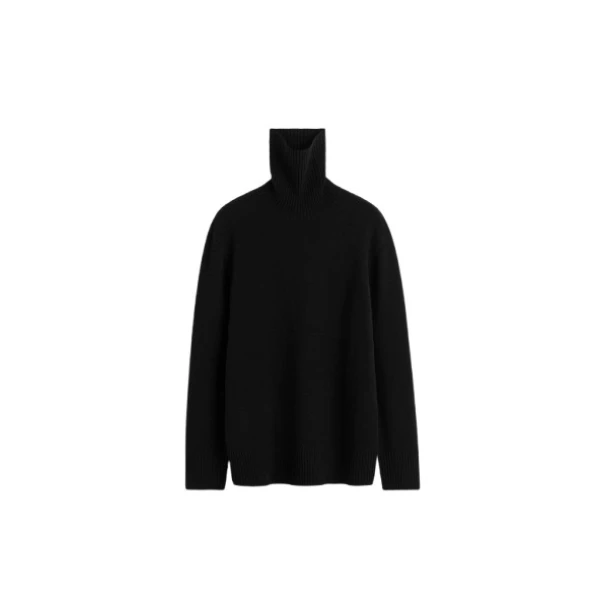
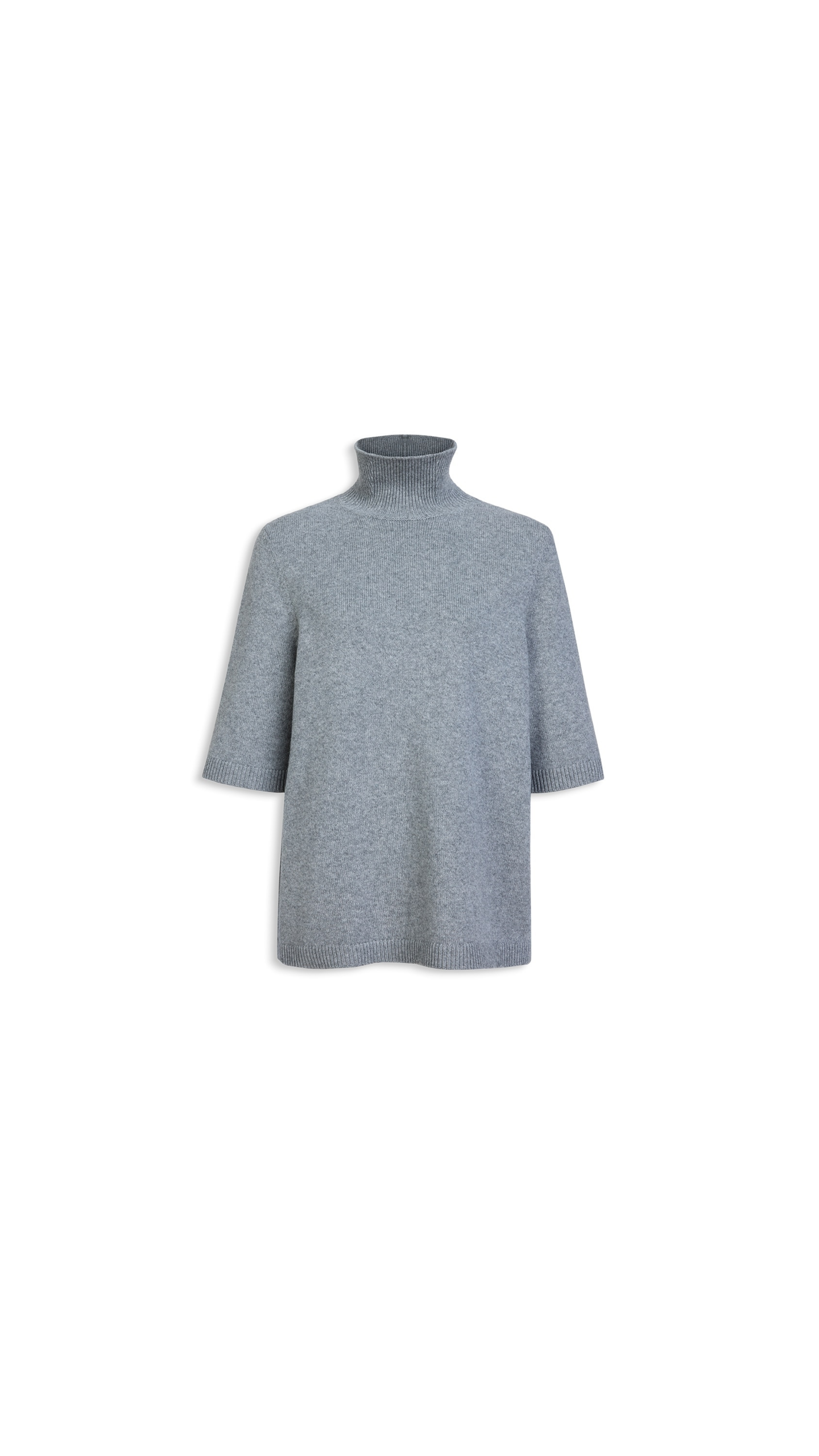
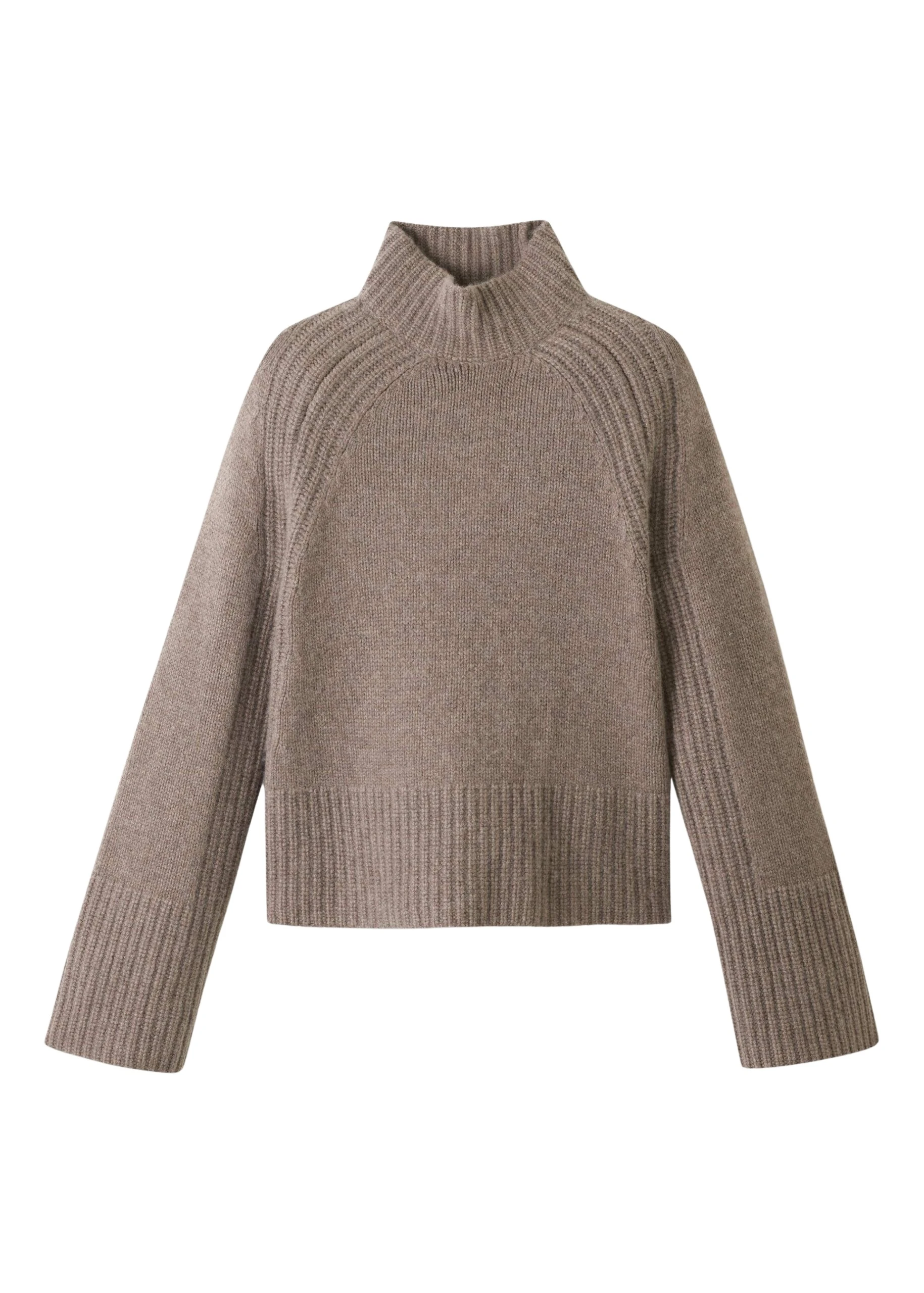
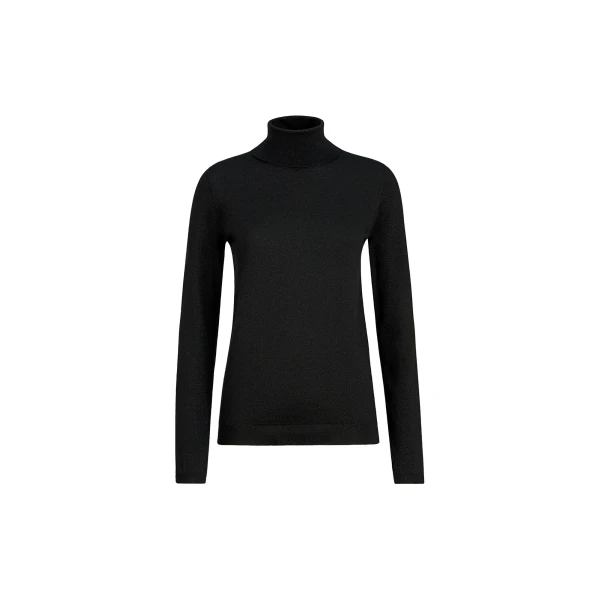
Pieces in stock now, picked by the Coveti Fashion Agent.
See every piece →
Easy outfits for an evening show
The simplest formula is a fine knit with tailored trousers. A cashmere crew neck or polo in cream, camel or black, with wide-leg wool trousers and loafers or ankle boots, looks put together and stays comfortable through two acts. Quiet knitwear in the spirit of The Row or Brunello Cucinelli is a good reference for the feel.
A midi dress is the other dependable option. In winter, choose a long-sleeved knit dress, a silk shirt dress or a wool crepe style, and wear it with knee boots or block heels. Dark jeans also work if they are well cut and paired with a blazer, a silk blouse and proper shoes.
For men, chinos or wool trousers with a shirt and a knit or unstructured jacket is ideal. A tie is not needed. Clean leather trainers are acceptable at most shows, but leather shoes or boots look better at an evening performance.
When to dress up
Opening nights, a special anniversary or a visit to a grand historic house such as the London Palladium or a Broadway landmark are good reasons to go further. This is where a cocktail dress, a velvet blazer, satin trousers or a tailored suit makes sense. Rich winter colours such as burgundy, emerald and midnight blue look right under theatre lighting.
Even when you dress up, avoid anything that blocks the view. Tall hair accessories, wide hats and large structured shoulders can annoy the person behind you. Keep volume at the hem rather than the head.
Comfort matters more than you think
Theatre seats are narrow, legroom is often tight and auditoriums can get very warm once full. Choose fabrics that breathe, such as wool, silk, cotton and cashmere, over heavy synthetics. Avoid stiff, very short or very tight pieces that make it hard to sit for long periods.
Layers solve the temperature problem. A thin knit or a blouse under a jacket lets you adjust between the cold street, the warm bar and the auditorium. Shoes should be easy to walk in, since you may be climbing steep stairs to the upper circle or walking to the station afterwards.
Leave large bags at home. Many London and New York theatres now restrict bag size and may ask you to check anything bulky. A crossbody or small shoulder bag that sits on your lap is the practical choice.
Coats and cloakrooms in winter
In December and January, your coat will spend the show either on your lap or in the cloakroom, so pick one that folds without creasing badly. A wool wrap coat, a long cashmere blend coat or a quilted liner coat all work. A Max Mara camel coat over a black outfit is a classic theatre look for good reason.
Check whether the venue has a cloakroom before you go. Smaller West End and off-Broadway houses often do not, and queues at larger ones can be long at the interval and after the curtain. A lighter coat with a scarf may be easier than a bulky down parka.
A simple theatre checklist
Smart casual for most shows, dressier for opening nights and galas. Comfortable shoes for stairs and walking. Layers for a warm auditorium. A small bag. A coat that can sit on your knees. Nothing tall on your head. With those in place, you will be comfortable from curtain up to the final bow.
If your theatre trip falls in party season and you want something more festive for after the show, the Coveti Christmas party outfits guide has ideas that move easily from the stalls to a late supper.
Questions people ask
Is there a dress code for the theatre?
Not for ordinary performances in the West End or on Broadway. Smart casual is the right level; opening nights, galas and press nights may state a dress code.
Can I wear jeans to the theatre?
Yes, if they are dark and well cut, worn with a blazer or a silk blouse and proper shoes.
What should I wear to a matinee?
Daytime performances are the most relaxed: a knit with trousers or a midi dress with boots is plenty.
Related Posts
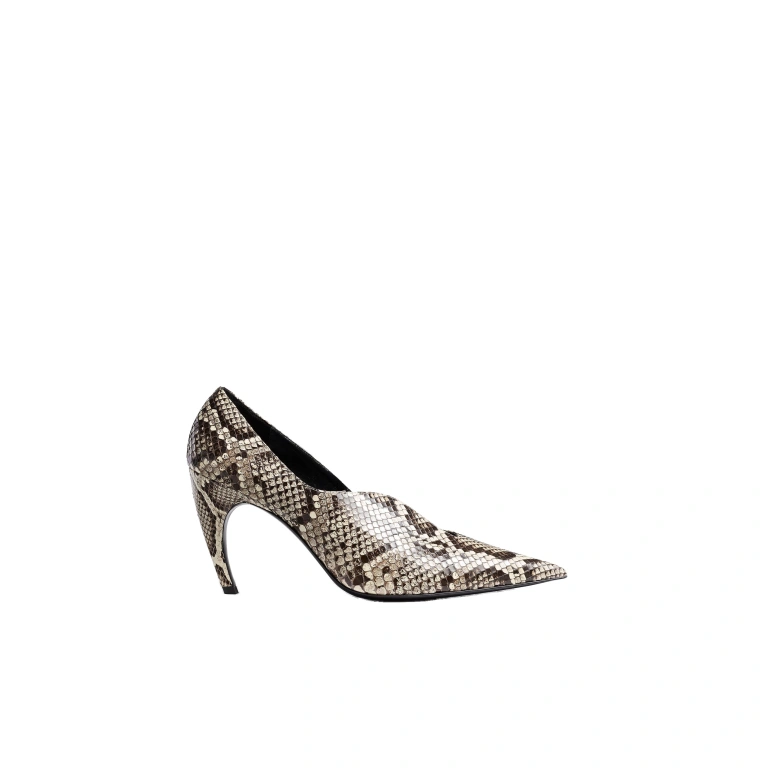
Snake Print Heels: Python Pumps, Slingbacks and Mules to Buy
Snake print heels are heeled shoes in python and snakeskin, and in leather printed and embossed to look like it, and the most useful pair is a pointed pump in a natural colour, which works as a neutral. Our designer pumps edit has a new lead from Khaite : the Vivien pump , an artfully asymmetric...
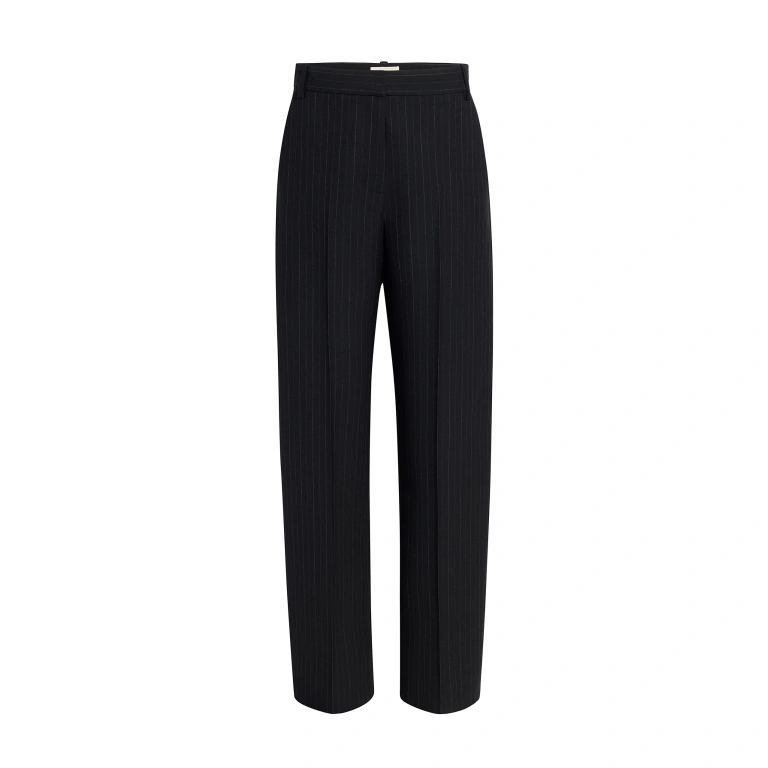
Pinstripe Pants for Women: The Best Tailored Styles to Buy
Pinstripe pants are tailored trousers woven with fine, evenly spaced vertical lines, borrowed from menswear suiting, and the best this season are cut wide and bowed rather than slim. Our designer tailored pants edit has a new lead from Khaite : the Melson pant , a menswear-inspired trouser...
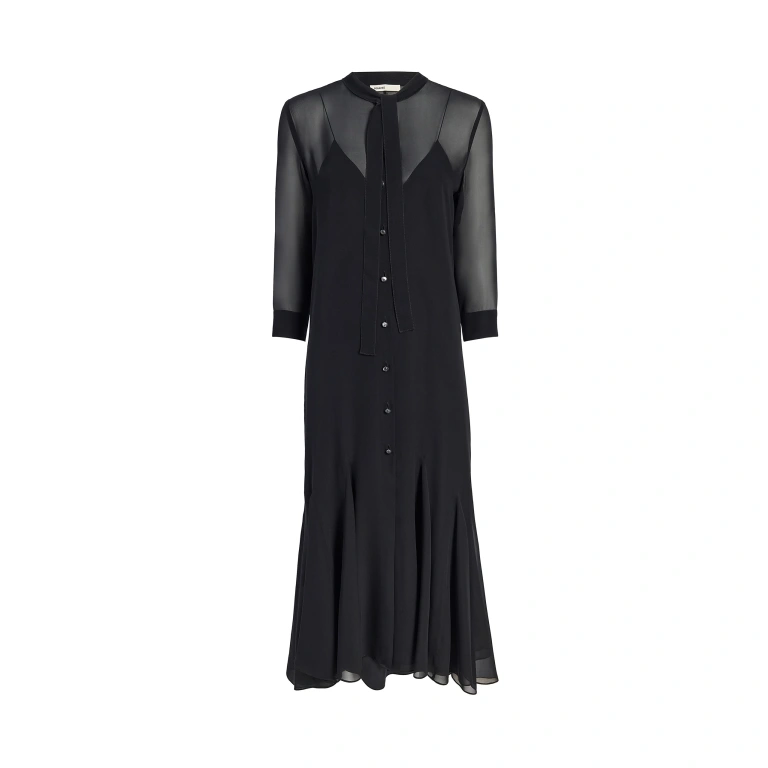
Black Shirt Dresses: The Best Designer Styles and How to Wear Them
A black shirt dress is a dress cut like a long shirt, with a collar, a button front and usually cuffs, made in black so it moves from a working day to dinner with nothing more than a change of shoes. Our designer shirt dresses edit has a new lead from Khaite : the Odelia dress , a shrunken silk...
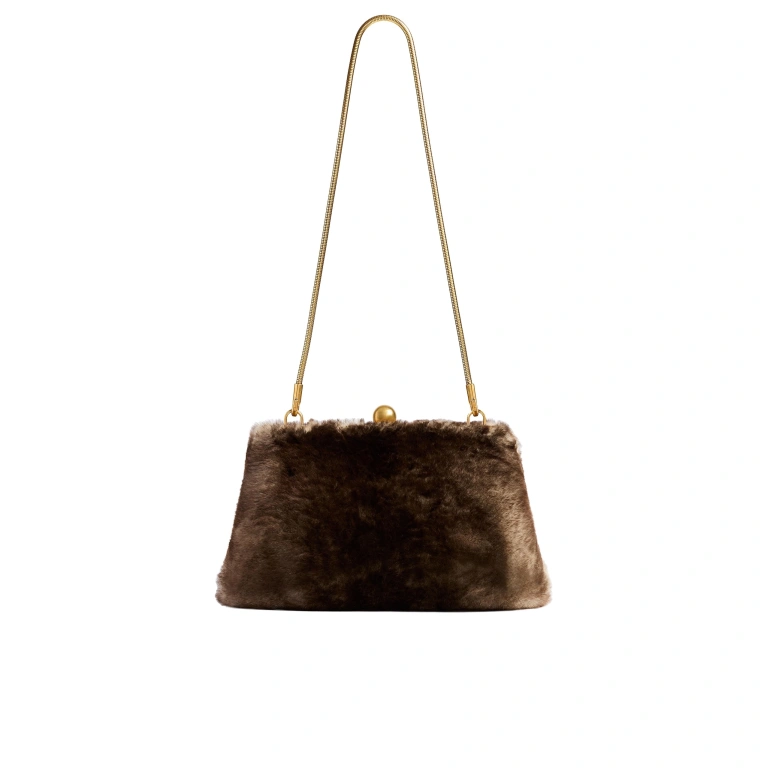
Fur Bags: Shearling, Lapin and Faux Fur Bags Worth Buying
A fur bag is a handbag whose outer is covered in fur and fur-like pile, from rabbit (lapin) and mink to shearling, feathers and faux fur, and the strongest this winter are small evening shapes on a chain. Our designer clutch bags edit is led by the Khaite Lilith chain evening bag , cut in plush,...
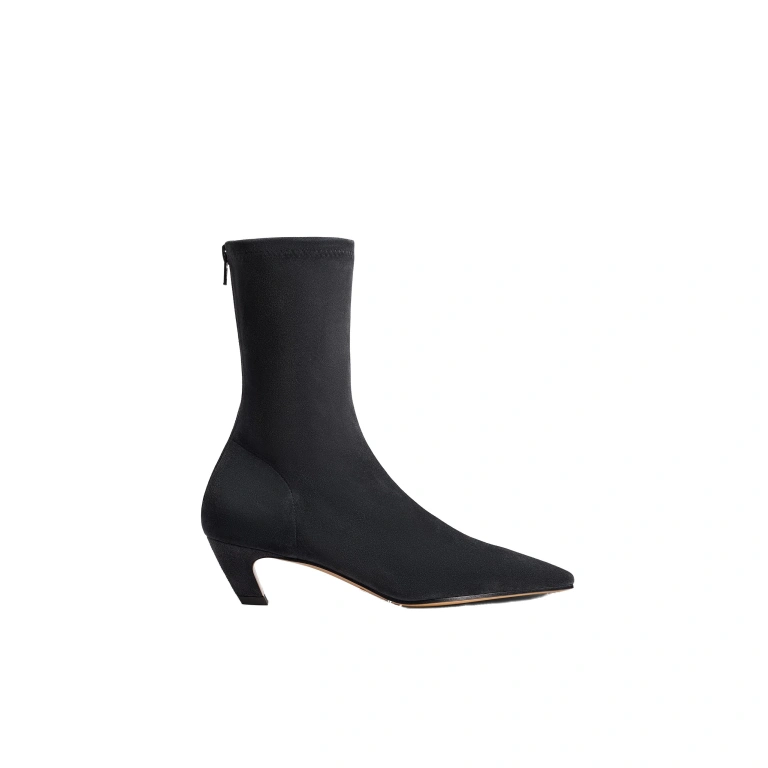
Suede Ankle Boots: The Best Designer Pairs and How to Care for Them
Suede ankle boots are boots that end at the ankle, sometimes just above it, cut from the napped inner side of the hide, which gives a soft, matte surface that reads warmer than smooth leather. Our designer ankle boots edit holds more than a hundred suede pairs, and the newest arrivals are from...
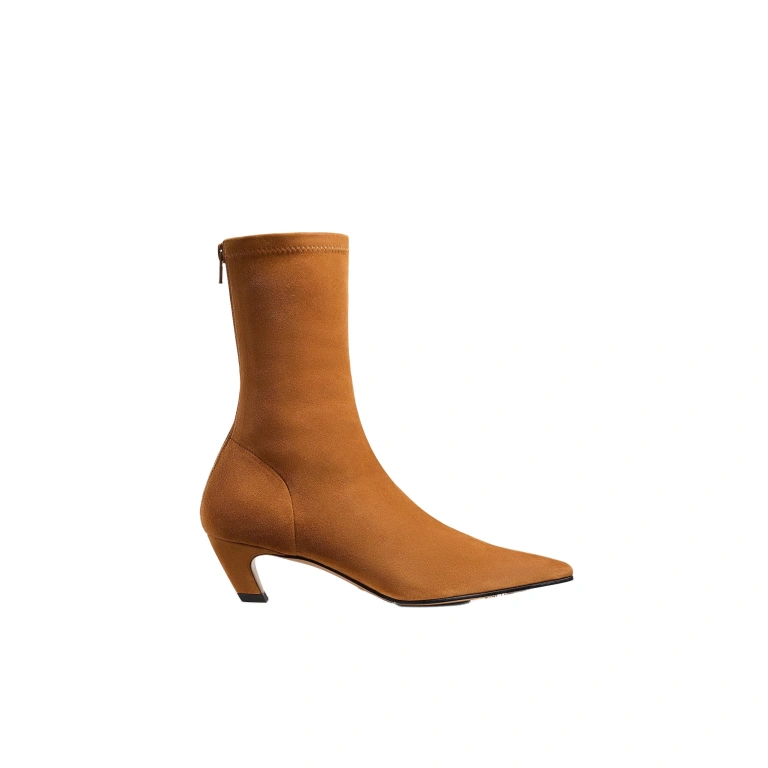
Sock Boots: How to Wear Stretch Ankle Boots, and the Best to Buy
Sock boots are ankle and calf boots made from a stretch material, usually stretch suede, stretch nappa and knit, that pulls close to the leg like a sock with no visible gap at the top. Our designer ankle boots edit is led this season by the Khaite Arizona stretch ankle boot , a square-toed...
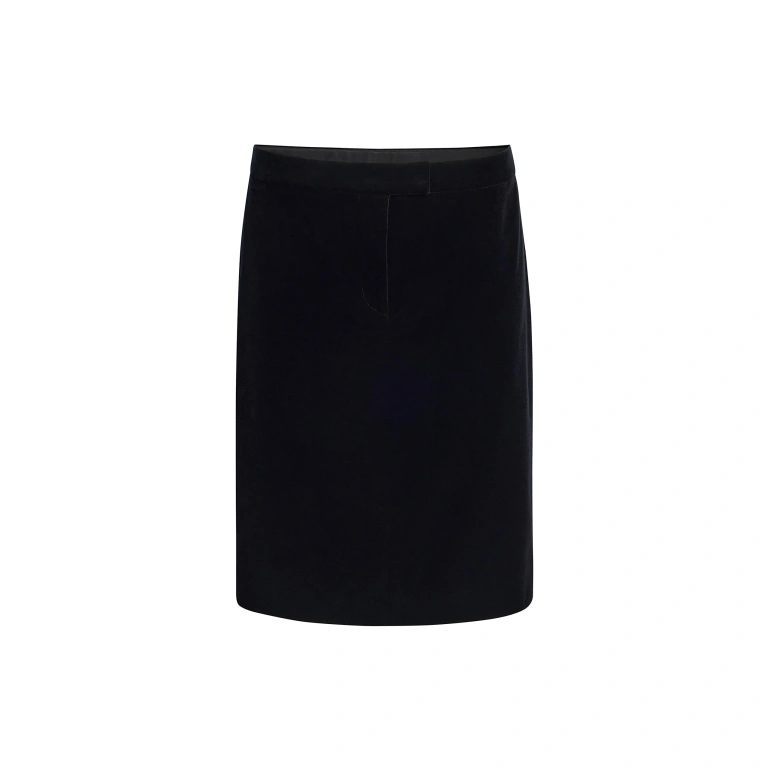
Khaite Velvet: The Skirts, Pants and Flats to Know This Winter
Khaite velvet is cotton velvet with a short, dense pile, cut by the New York house into tailored skirts, low-waisted pants and slipper-like flats; this winter it comes in black, brick, dark moss and rust. The new pieces join the Khaite collection at Coveti alongside our wider designer skirts...
God’s True Cashmere: Brad Pitt’s Cashmere Label Explained
Who founded God's True Cashmere, why the shirts carry gemstones and where to start.
The Men’s Cashmere Shirt Guide: Weight, Fit and Care
Weight, fit, solid against tartan and care for a cashmere shirt.
God’s True Cashmere Size Guide: Unisex Fit and Measurements
Unisex letters, the shirt measurements and how to choose.
God’s True Cashmere Gemstones: What Each Stone Means
Amethyst to tiger's eye: the stones on every piece and their meanings.
Cashmere Overshirts for Men: What to Buy and How to Wear Them
The heavyweight cashmere shirt that works as a light jacket.