
Mary Katrantzou Prints: Kintsugi, Marbling and the Resort 2027 Artworks Explained
Mary Katrantzou Prints: Kintsugi, Marbling and the Resort 2027 Artworks Explained
Mary Katrantzou prints are digital artworks engineered to the pattern piece, so each motif is drawn to meet a seam, a waist and a hem, and for Resort 2027 they draw on kintsugi, the Japanese craft of mending ceramics with gold, and on Japanese water marbling. The prints run through our designer maxi dresses edit and the Mary Katrantzou brand page, and our Mary Katrantzou Resort 2027 edit covers the full collection.
Key facts
- Mary Katrantzou engineers digital prints to the pattern piece, so a motif meets the seam, waist and hem.
- Kintsugi is the Japanese craft of repairing broken ceramics with lacquer dusted with gold.
- Suminagashi is Japanese paper marbling made by floating ink on water, and it dates to the Heian period.
- Mizutama is Japanese for a water droplet and ame is Japanese for rain, the sources of two Resort 2027 prints.
This explainer sets out what kintsugi and suminagashi are, how Katrantzou builds a print around a garment, and how each of the four Resort 2027 stories reads on the cloth. Katrantzou took a BA in textile design at Central Saint Martins before her fashion MA, and print has defined the label since she founded it in London in 2008.
What is kintsugi?
Kintsugi is the Japanese craft of repairing broken ceramics with lacquer dusted with gold. The break is not hidden. The mended crack becomes a line of gold across the bowl, so the history of the object stays visible on its surface.
In the Resort 2027 prints the idea appears as fine gold veining across dark grounds. On the Mizutama Marble pieces the claret and emerald are lit with warm gold that the house likens to kintsugi, and the Kintsugi Myth artworks set their landscapes against the same gold.
What is suminagashi?
Suminagashi is Japanese paper marbling. Ink is floated on the surface of water, moved into rings and drifts, then lifted onto a sheet of paper laid on top. The name means floating ink, and the practice dates to the Heian period. Ebru is the Turkish marbling tradition, which works on the same principle of floating colour.
Because the ink moves with the water, no two sheets are alike, and the lines are soft and organic. Two of the Resort 2027 prints take this route. Sumina Marble is named for suminagashi, and Ame Marble is built on traditional water marbling.
How does Mary Katrantzou engineer a print?
Most printed fabric is a repeat: one tile of pattern runs across a whole bolt, and the garment is cut from it wherever the pattern pieces fit. Katrantzou works the other way round. She draws the artwork to the shape of each pattern piece, the bodice front, the sleeve, the skirt panel, so the motif is placed where she wants it on the body, then prints it digitally.
The result is a print that lines up at the seams and grows toward the hem. The Jasper tree winds its branches around the body. The Ame raindrops gather and pool into marble at the hems of gowns and pleats. Her work is held by the Metropolitan Museum of Art and the Victoria and Albert Museum, and she won the Swiss Textiles Award in 2010.
Jacquard is a different method. In a jacquard fabric the pattern is woven in on a jacquard loom, named after Joseph Marie Jacquard, who patented his punched-card loom in 1804. The Mizutama jacquards carry their pattern in the weave itself, with 6% silk among the yarns, so the motif has texture as well as colour.
How each Resort 2027 print reads on the cloth
Mizutama Marble
Mizutama is the Japanese word for a water droplet, and it inspired a repeat print and the special fabrications. On the printed polyester the claret reads smooth and bright. On the jacquard the same story gains surface, and in the claret lace the openwork breaks the ground into texture. The floral jacquard dresses guide sets it beside other woven prints.
Kintsugi Myth, Jasper and Azurite
The house describes these as archive-inspired artworks mixing myth and fairytale with kintsugi. Jasper is a landscape: a tree, rose pink and caramel mist, birds in the distance. Azurite is water: a river through waterfalls into marbled waves, with nymphs and fragments of classical architecture. On organza the print is sheer and layered; on velvet it turns deep and soft.
Ame Marble
Ame is the Japanese word for rain. Deep navy carries scattered raindrops that collect into flowering marble at the hem, so the print is quiet at the shoulder and busy at the floor.
Sumina Marble
Sumina Marble swirls across the body in organic ribbons of colour. Carried here only as a sequinned dress, it catches light at every move.
The four prints compared
| Print story | Meaning | Colourways | Fabrics | Example pieces |
|---|---|---|---|---|
| Mizutama Marble | Japanese for a water droplet; gold likened to kintsugi | Claret, emerald | Printed polyester; jacquard with 6% silk; lace; velvet | Hudson Jacket, Emile Dress, Hito Coat, Chantal lace |
| Kintsugi Myth Jasper | Archive artwork, myth and fairytale with kintsugi gold | Jasper: rose pink and caramel | Polyester; polyester with elastane; organza; velvet | Eros Gown, Farris Dress, Torino Dress |
| Kintsugi Myth Azurite | River, waterfalls and marbled waves | Azurite | Polyester; lace; organza; jersey | Etta Gown, Chantal lace, Fabray Dress |
| Ame Marble | Japanese for rain; traditional water marbling | Deep navy | Polyester; recycled twill; chiffon; velvet | Theoni Dress, Uni Skirt, Auri Kaftan |
| Sumina Marble | From suminagashi, floating ink | Not published by the house | Polyester sequin | Lico Dress |
Source: Mary Katrantzou product pages and size chart, and the Coveti catalogue, read by Coveti Editorial on 8 November 2026.
Seven Mary Katrantzou print pieces to buy
1. Etta Gown Kintsugi Azurite Embroidered
The Etta Gown sets a strapless corseted bodice embroidered in sequins above a full navy skirt in Kintsugi Azurite. It is made for black tie evenings and winter weddings; see our strapless dresses guide.
2. Farris Dress Kintsugi Jasper
The Farris Dress puts the Jasper tree on velvet of 93% polyester and 7% elastane, skimming the body to midi length with a high turtleneck and long sleeves. Our velvet midi dresses edit has more.
3. Theoni Dress Ame Marble
The Theoni Dress in Ame Marble has a boat neckline, cape sleeves, a matching belt and an open back, with the marble gathering toward the floor.
4. Uni Skirt Ame Marble
The Uni Skirt is a pleated midi in recycled polyester twill, a long-running house shape, with the Ame raindrops pooling at the hem. See pleated midi skirts.
5. Lico Dress Sumina Marble Sequin
The Lico Dress is the one Sumina Marble piece at Coveti: polyester covered in sequins, with long sleeves and gathering at the shoulder.
6. Devana Dress Mizutama Marble Claret Jacquard
The Devana Dress is the claret Mizutama jacquard, a fitted short-sleeved bodice over a floor-length column skirt with a back slit and a slim matching belt.
7. Torino Dress Kintsugi Jasper
The Torino Dress is a floor-length shirt dress in Kintsugi Jasper, in 94% polyester and 6% elastane, with a shirt collar, buttoned cuffs and a matching belt.
How to choose and wear a Mary Katrantzou print
- Choose by placement. If you want print at the face, take a blouse; if you want it at the floor, the Ame gowns hold the marble at the hem.
- Choose by surface. Jacquard gives woven texture, velvet deepens colour, organza layers it, and sequins add light.
- Keep the rest plain. Gold jewellery repeats the kintsugi line; black satin shoes keep attention on the cloth.
- Match within a story. Pieces from one print and one colourway are made to be worn together, such as the claret jacquard suit.
For long evening shapes in the same mood, see draped gowns and corset maxi dresses.
Wearing print around the world
In the US and the UK, the dark claret, emerald and navy grounds suit autumn and winter evenings, from city galas to winter weddings. Across Europe, the lighter organza and chiffon pieces travel to spring dinners on the Mediterranean. In the Gulf, the long sleeves and high necklines of the velvet and lace pieces suit the cooler event season. In Asia, humid cities such as Singapore favour the sheer layers, while colder winters in Tokyo and Seoul suit velvet.
Sizing a Mary Katrantzou print piece
Mary Katrantzou sizes in UK, so a UK 8 is a US 4, an IT 40 and a FR 36. Letter-sized styles run XS to XL, and on the house chart XS sits at a UK 6. The house gives no advice on sizing up and down for most pieces, so take your usual size; the one exception this season is the Kira kaftan, which the house says runs big by one to two sizes. The models are 178 cm tall and wear a UK 8. Full charts are in our Mary Katrantzou size guide. For other designers, browse Dries van Noten and La DoubleJ at Coveti; our brands like Mary Katrantzou guide has more.
Frequently asked questions
What is a Mary Katrantzou print?
It is a digital print engineered to the pattern piece, so the motif is drawn to meet the seams, waist and hem of the garment instead of repeating across the cloth.
What is kintsugi in fashion?
Kintsugi is the Japanese craft of mending broken ceramics with lacquer dusted with gold. In fashion it appears as gold veining across a print, as on the Mary Katrantzou Mizutama Marble and Kintsugi Myth pieces.
What is suminagashi?
Suminagashi is Japanese paper marbling, made by floating ink on water and lifting it onto paper. The name means floating ink, and it dates to the Heian period.
What does mizutama mean?
Mizutama is the Japanese word for a water droplet. It inspired the Mizutama Marble print and fabrications in Resort 2027.
What does ame mean in Ame Marble?
Ame is the Japanese word for rain. The Ame Marble print shows raindrops pooling into flowering marble at the hem on a deep navy ground.
Are Mary Katrantzou prints on silk?
Most Resort 2027 prints are on polyester bases. The Mizutama jacquards contain 6% silk with 90% polyester and 4% polyamide.
Read next: Mary Katrantzou Resort 2027, Who is Mary Katrantzou, Jacquard jackets.
By Coveti Editorial. Updated 8 November 2026.
Related Posts
Organza Gowns: What They Are, How to Choose and 10 to Buy
An organza gown is a floor-length dress made from organza, a thin, crisp, sheer plain weave that holds volume, so tiers and ruffles stand away from the body instead of falling flat. Our designer evening gowns edit holds the range, the Mary Katrantzou brand page carries the tiered Eros organza...
Jacquard Skirts: What They Are, How to Choose and 10 to Buy
A jacquard skirt is a skirt cut from fabric whose pattern is woven into the cloth on a jacquard loom, which gives it body and a slight relief that a printed skirt does not have. Our designer skirts edit holds the range, the Mary Katrantzou brand page carries the Gianna and Vargas jacquard skirts...
Jacquard Jackets: What They Are, How to Choose and 9 to Buy
A jacquard jacket is a jacket cut from cloth whose pattern is woven in on a jacquard loom, so the motif is part of the fabric structure instead of printed on top. Our designer jackets edit holds the range, the Mary Katrantzou brand page carries the Hudson jacquard jackets from Resort 2027, and...
Bow Blouses: What They Are, How to Wear One and 10 to Buy
A bow blouse is a blouse with long ties at the neckline that knot into a soft bow under the chin, the shape also sold as a pussy-bow blouse. Our designer blouses edit holds the full range, the Mary Katrantzou brand page carries the two printed Ines bow blouses from Resort 2027, and our guide to...
Pleated Maxi Dresses: Pleat Types, How to Choose and 9 to Buy
A pleated maxi dress is a floor-length dress whose skirt is folded into pleats, pressed creases that let the cloth sit close at the waist and open out as you walk. Our designer maxi dresses edit holds the new pleated styles from the Mary Katrantzou brand page , and our guide to pleated midi...
Burgundy Lace Dresses: Claret, Burgundy and Oxblood Explained
A burgundy lace dress is a lace dress in a deep, wine-coloured red, and in practice the shades sold as burgundy, claret and oxblood overlap, so judge the colour on the photograph rather than the name. Our designer dresses edit holds the new claret lace from the Mary Katrantzou brand page , and...
Lace Maxi Dresses: How to Choose the Right Lace and 9 to Buy
A lace maxi dress is a floor-length dress made from lace, an openwork fabric in which the pattern is formed by the holes as much as by the thread. Our designer maxi dresses edit holds the new claret and azurite lace from the Mary Katrantzou brand page , and our guides to brown lace dresses and...
Velvet Maxi Dresses: How to Choose One and 9 to Wear This Winter
A velvet maxi dress is a floor-length dress cut from velvet, a fabric with a short, dense cut pile that catches the light and deepens whatever colour it is dyed in. Our designer maxi dresses edit holds the new velvet from the Mary Katrantzou brand page , and if floor length feels like too much,...
Mary Katrantzou Prints: Kintsugi, Marbling and the Resort 2027 Artworks Explained
Mary Katrantzou prints are digital artworks engineered to the pattern piece, so each motif is drawn to meet a seam, a waist and a hem, and for Resort 2027 they draw on kintsugi, the Japanese craft of mending ceramics with gold, and on Japanese water marbling. The prints run through our designer...
Mary Katrantzou Resort 2027: The Four Prints, the Shapes and 10 Pieces to Buy
Mary Katrantzou is the London label founded in 2008 by the Athens-born print designer of the same name, and its Resort 2027 collection is built on four print stories cut into jacquard tailoring, velvet, lace and organza for evening dressing. Coveti carries 45 of the pieces in our designer...
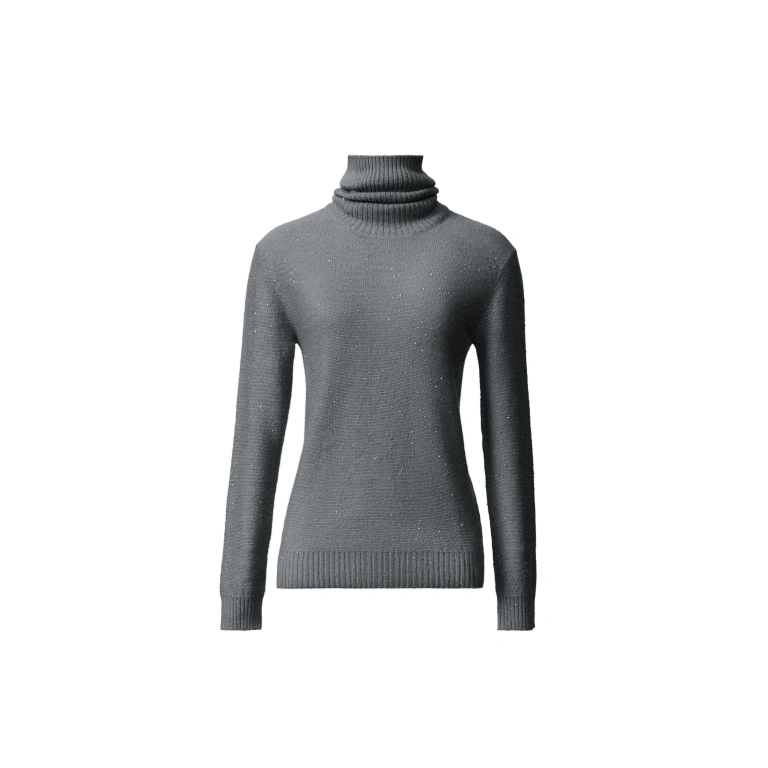
Sequin Sweaters: How to Choose and Wear Them, Day to Evening
A sequin sweater is a knitted jumper that carries sequins, either knitted in as part of the yarn so they glint quietly across the surface, sewn on one by one for a solid, reflective finish, and in micro sizes worked into stripes. The best ones keep the hand of a good knit, so they can be worn by...
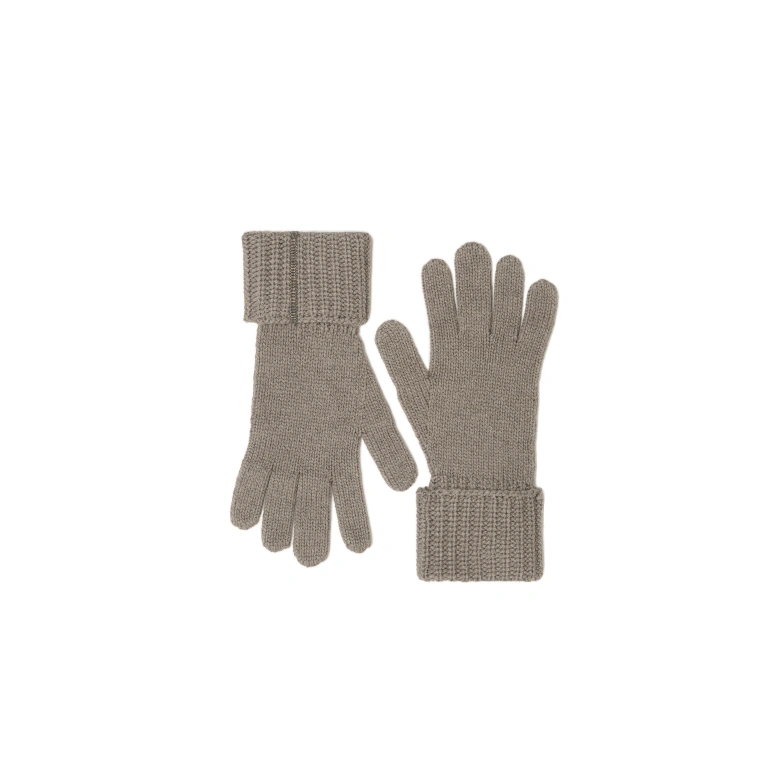
Cashmere Gloves for Women: How to Choose a Pair That Lasts
Cashmere gloves for women are gloves knitted from cashmere, the fine undercoat of the cashmere goat, alone and in blends with wool and silk, chosen for warmth without bulk and a soft hand against the skin. A good pair is dense enough to block wind, long enough to meet a coat sleeve, and sized so...