


8 Avant-Garde Fashion Designers You Can Buy Online (2026 Edit)

By Gemma Deeks, Coveti Fashion Editor. Updated 13 October 2026.
Avant-garde fashion is clothing that pushes against what a garment is supposed to look like. Most of it lives on runways and in museum archives. These eight houses are the exception. Each one makes avant-garde ideas you can actually buy and wear, and every piece named below is in stock at Coveti today.
If you want the history first, start with our guide to what avant-garde style means. This list is about the designers.
The eight at a glance
| Designer | Founded | The idea | Start with |
|---|---|---|---|
| Schiaparelli | Paris, 1927 | Surrealism | Gilded anatomy earrings |
| Viktor & Rolf | Amsterdam, 1993 | Conceptual couture | Multi-layered collar shirt |
| Alexander McQueen | London, 1992 | Dark romantic tailoring | Bumster trousers |
| Vivienne Westwood | London, 1970s | Punk and corsetry | A corset top |
| Loewe | Madrid, 1846 | Surreal craft | The Puzzle bag |
| Maticevski | Melbourne, 1999 | Sculptural drape | An evening skirt |
| Alaïa | Paris | Body as architecture | A cinched knit |
| Dice Kayek | Paris, 1992 | Ornament and volume | A crystal bow brooch |
1. Schiaparelli
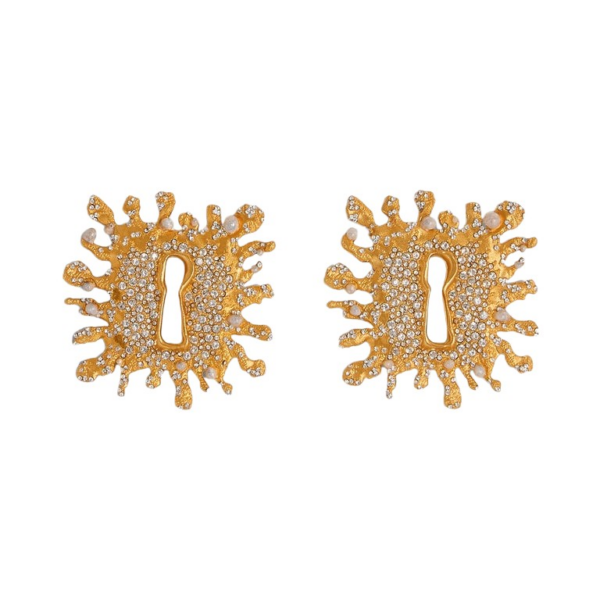
Elsa Schiaparelli founded her Paris house in 1927 and made surrealism wearable, working with Salvador Dalí on pieces such as the 1937 Lobster Dress. Daniel Roseberry, creative director since 2019, has brought that spirit back with gilded eyes, ears, noses and keyholes that turn jewellery into small sculptures.
The easiest way in is the jewellery: the Visage, Keyhole and Gaze Pendant earrings, the Rhinestone Eyelash earrings and the Dove brooch. For a bag, the Mini Anatomy Jewelry Bag carries the house motifs in hardware. Shop Schiaparelli.




2. Viktor & Rolf
Viktor Horsting and Rolf Snoeren founded their label in Amsterdam in 1993 and have treated couture as conceptual art ever since, with collections built around a single idea pushed to its limit. Their ready-to-wear keeps those ideas at a scale you can wear to dinner.
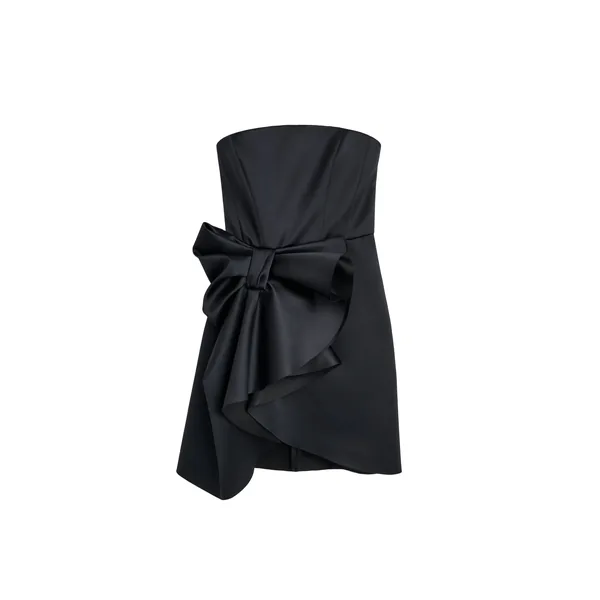
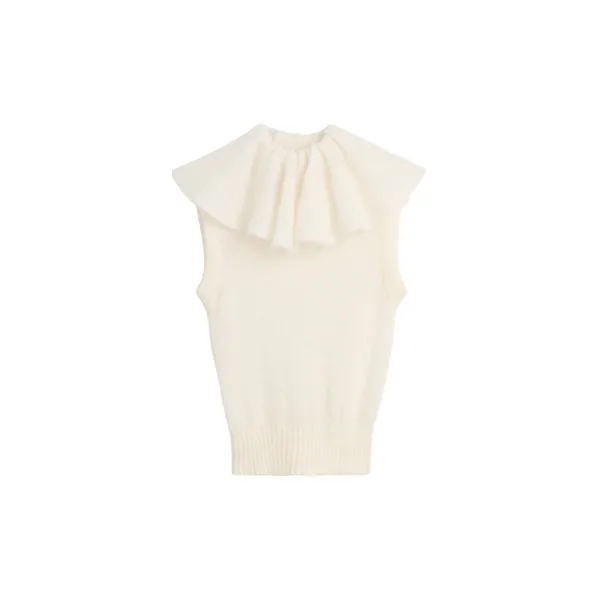
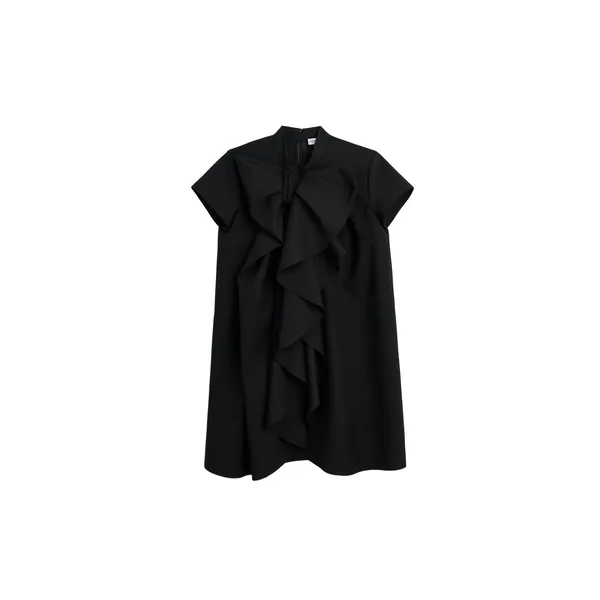
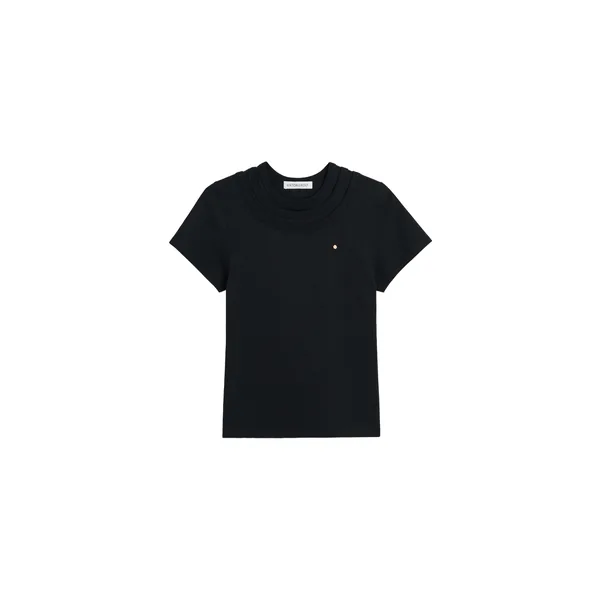
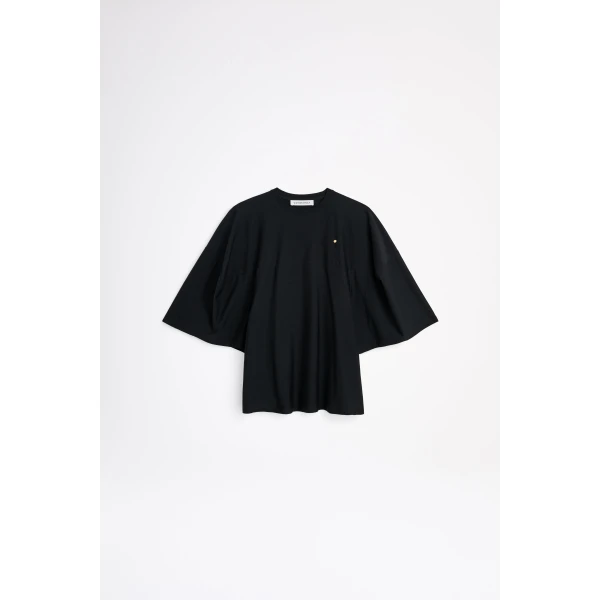
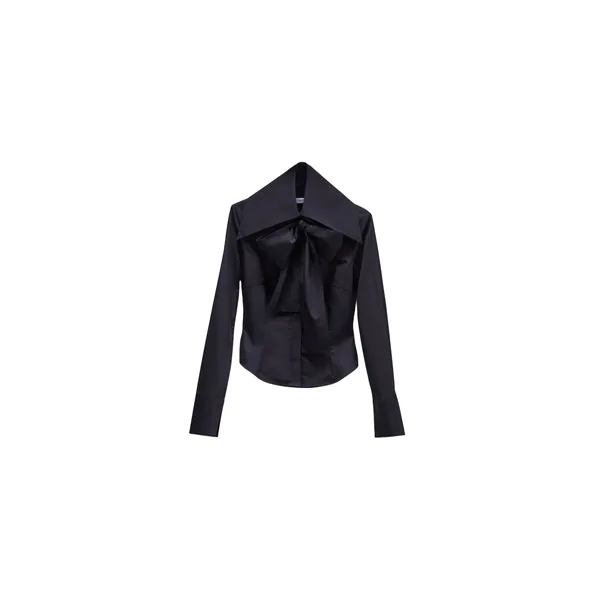
Look for proportion games: the Multi-Layered Collar Shirt with its stacked collars, the Couture Square Shoulder Denim Jacket and the Bow Volant Corset Mini Dress. They read as classics from across a room and as something stranger up close. Shop Viktor & Rolf, and read who Viktor & Rolf are.
3. Alexander McQueen
Lee Alexander McQueen founded his London house in 1992 and fused Savile Row tailoring with a dark, romantic imagination. The Metropolitan Museum of Art’s 2011 retrospective, Savage Beauty, remains one of the most visited fashion exhibitions the museum has staged.
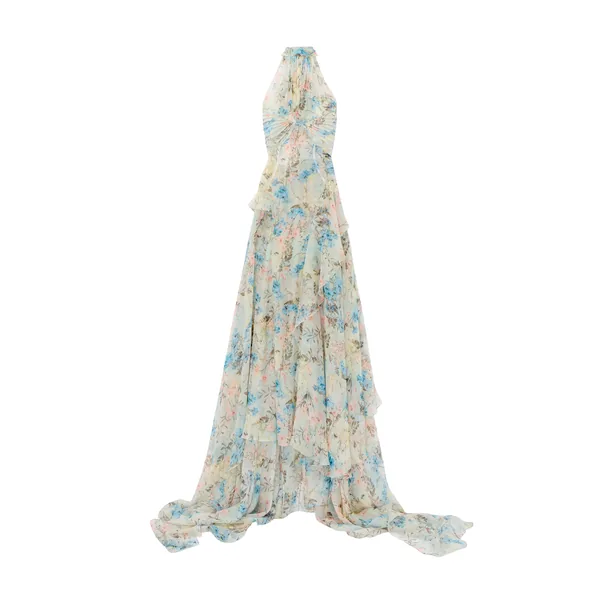
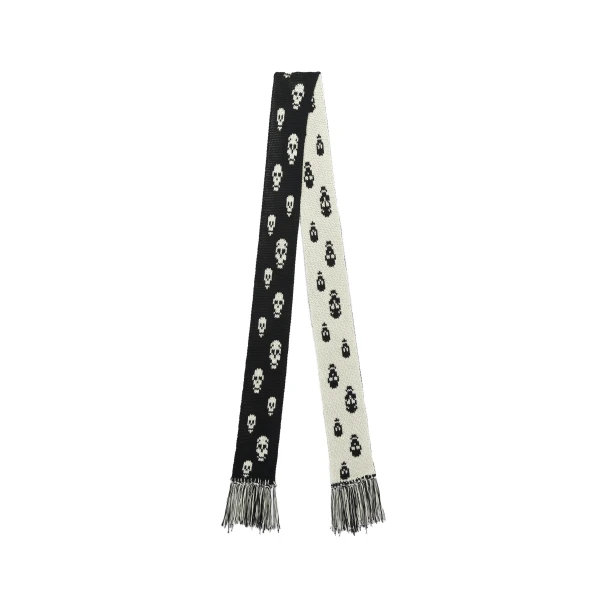
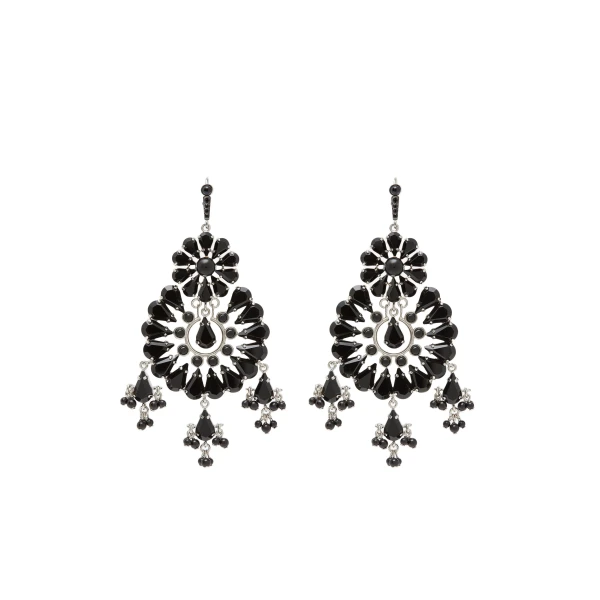
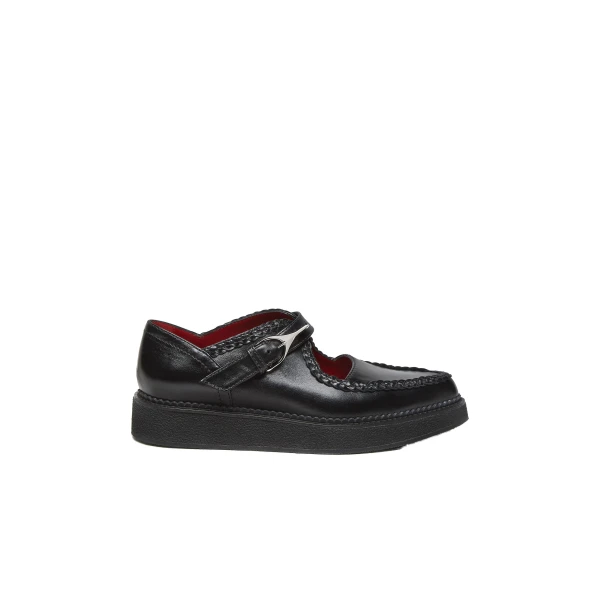
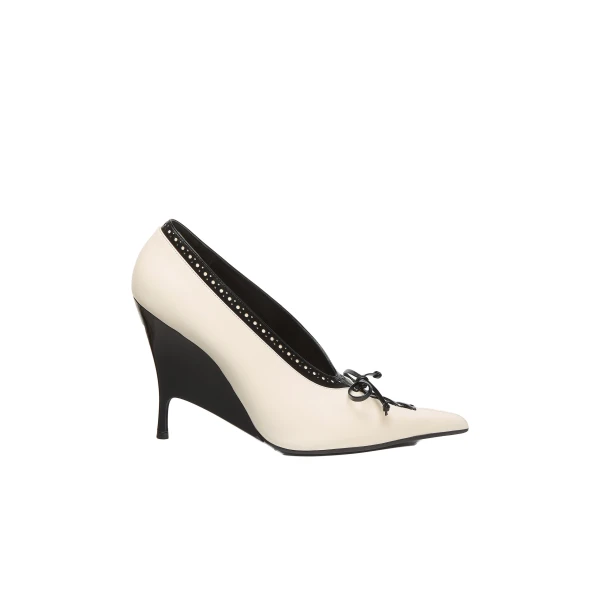
The house signature is still the cut. The Iridescent Bumster Trousers revive his famous low-slung shape, and the Sculpted Shoulder Leather Jacket and Wallpaper Floral Evening Dress show how far tailoring can be pushed before it becomes sculpture. Shop Alexander McQueen, and read who Alexander McQueen was.
4. Vivienne Westwood
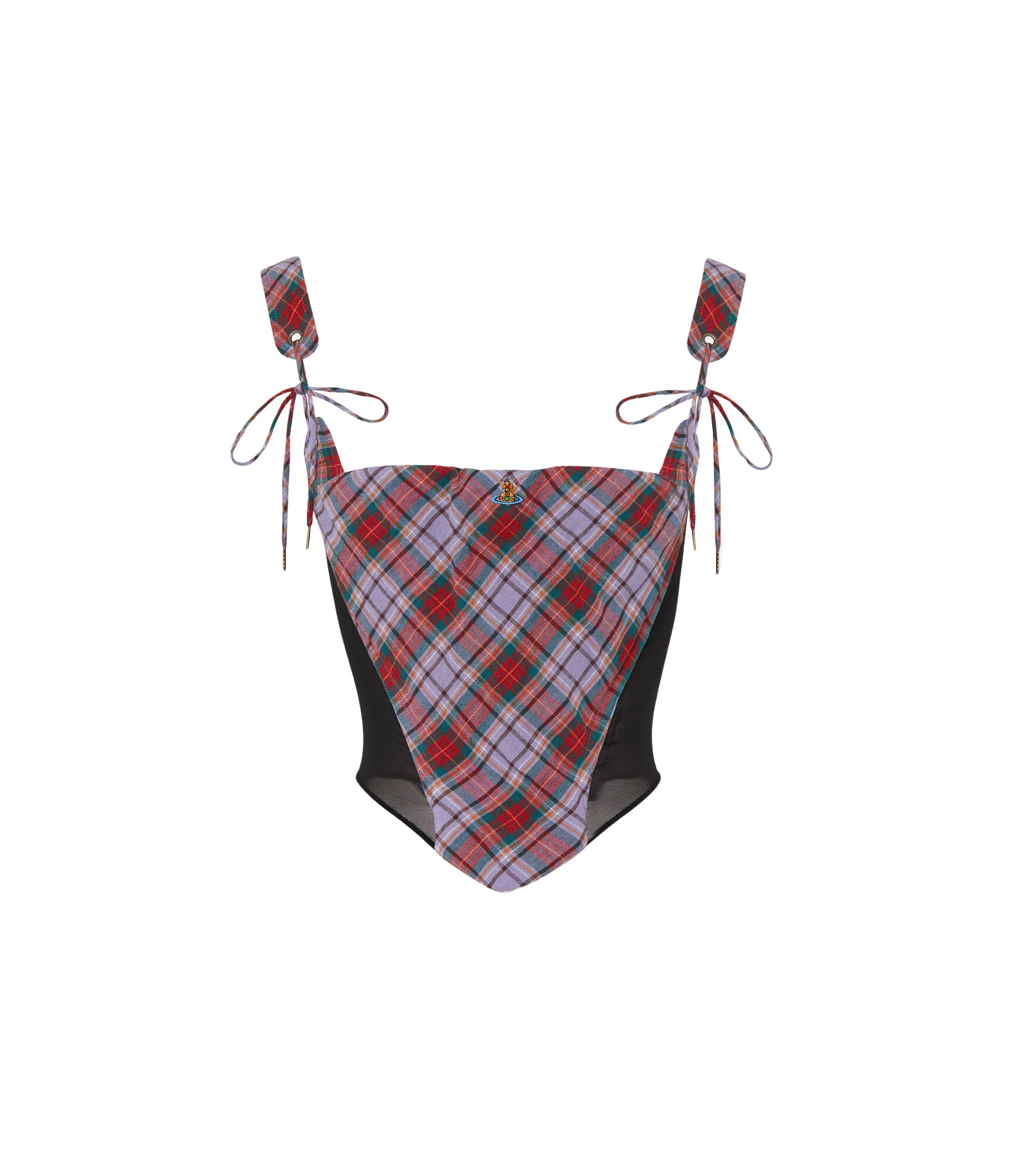
Vivienne Westwood came out of 1970s London punk, dressing the scene from her King’s Road shop with Malcolm McLaren, and went on to rework historical dress, from corsetry to tartan, into something rebellious. That King’s Road shop still trades today as Worlds End.
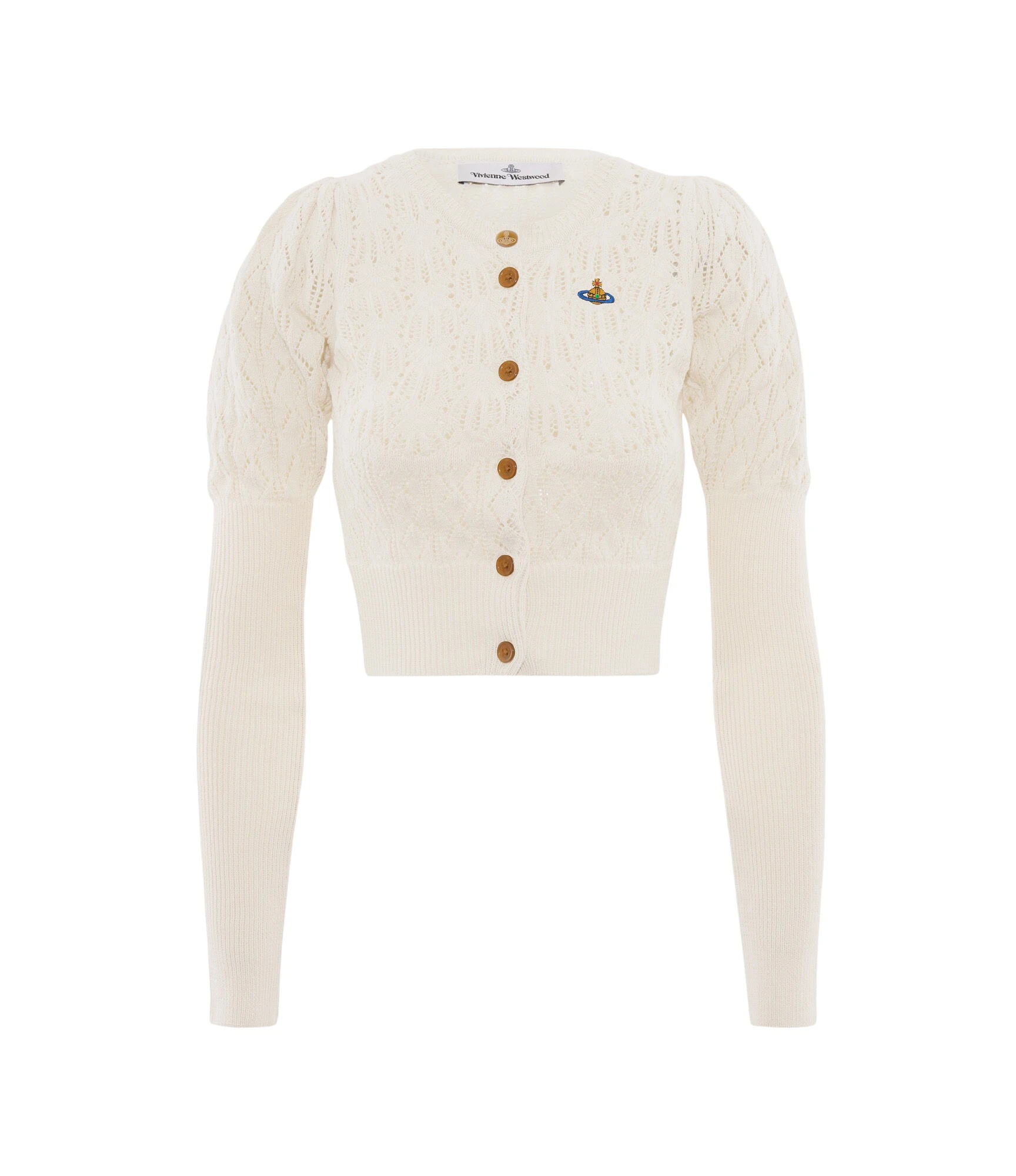
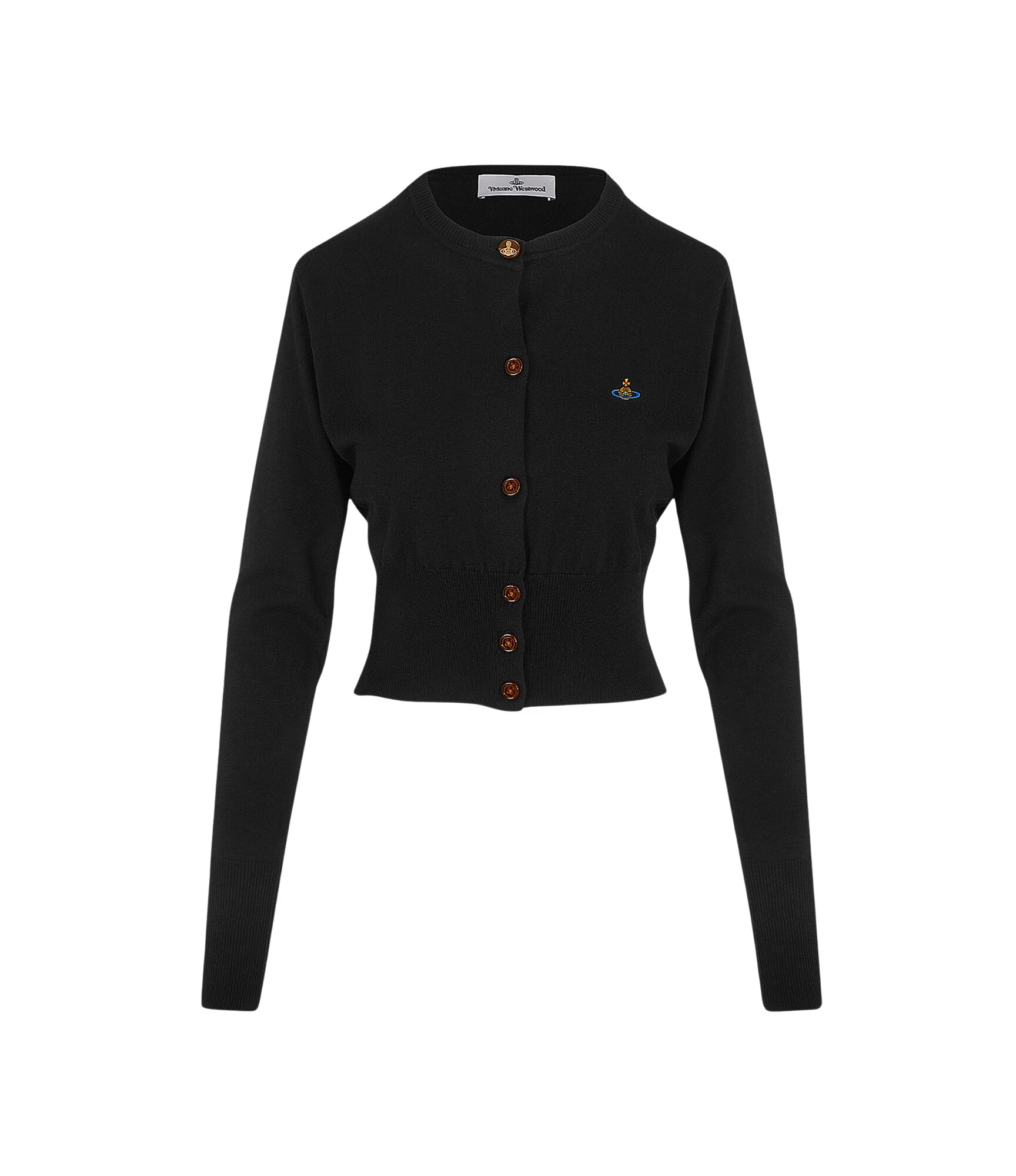
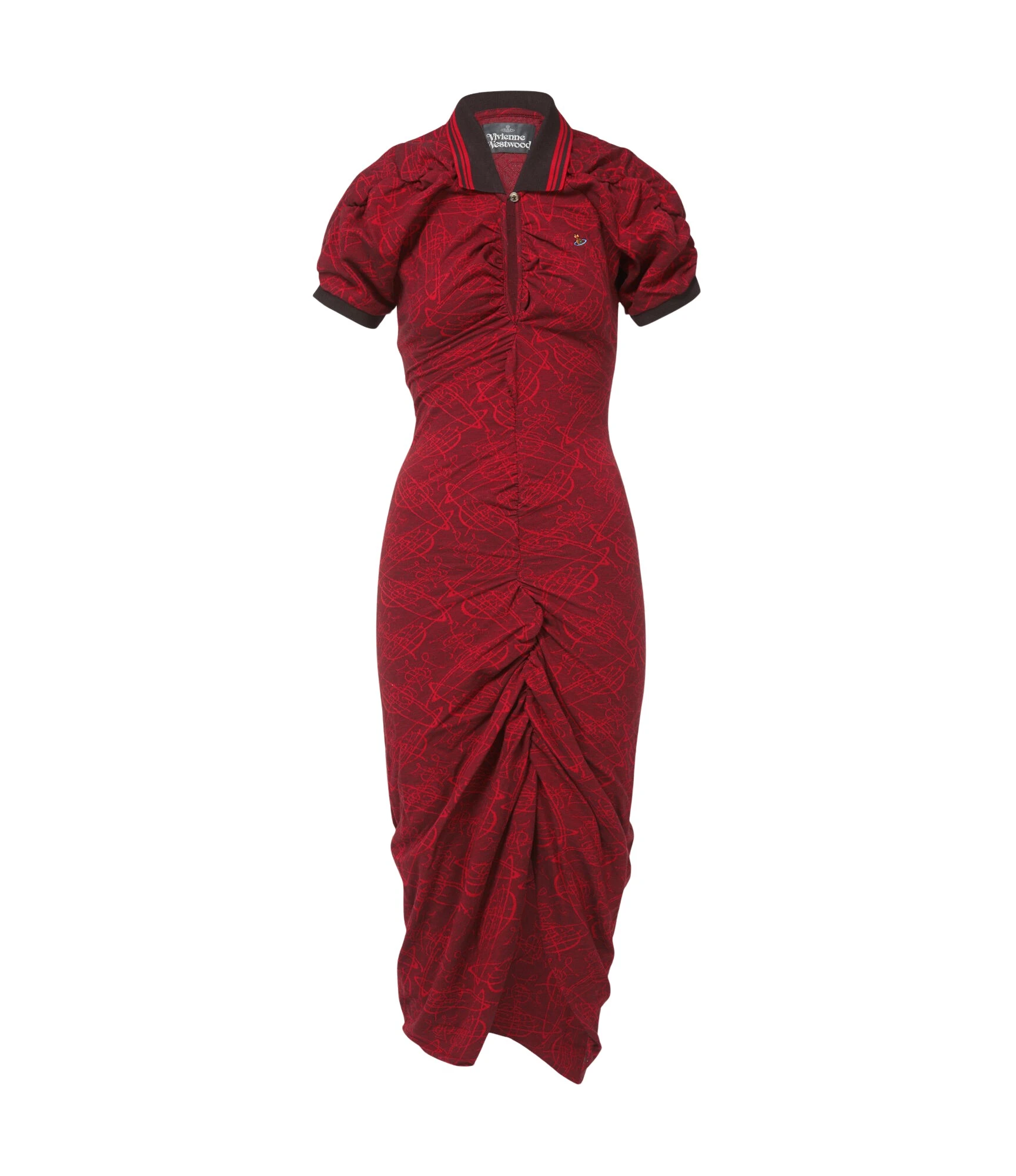
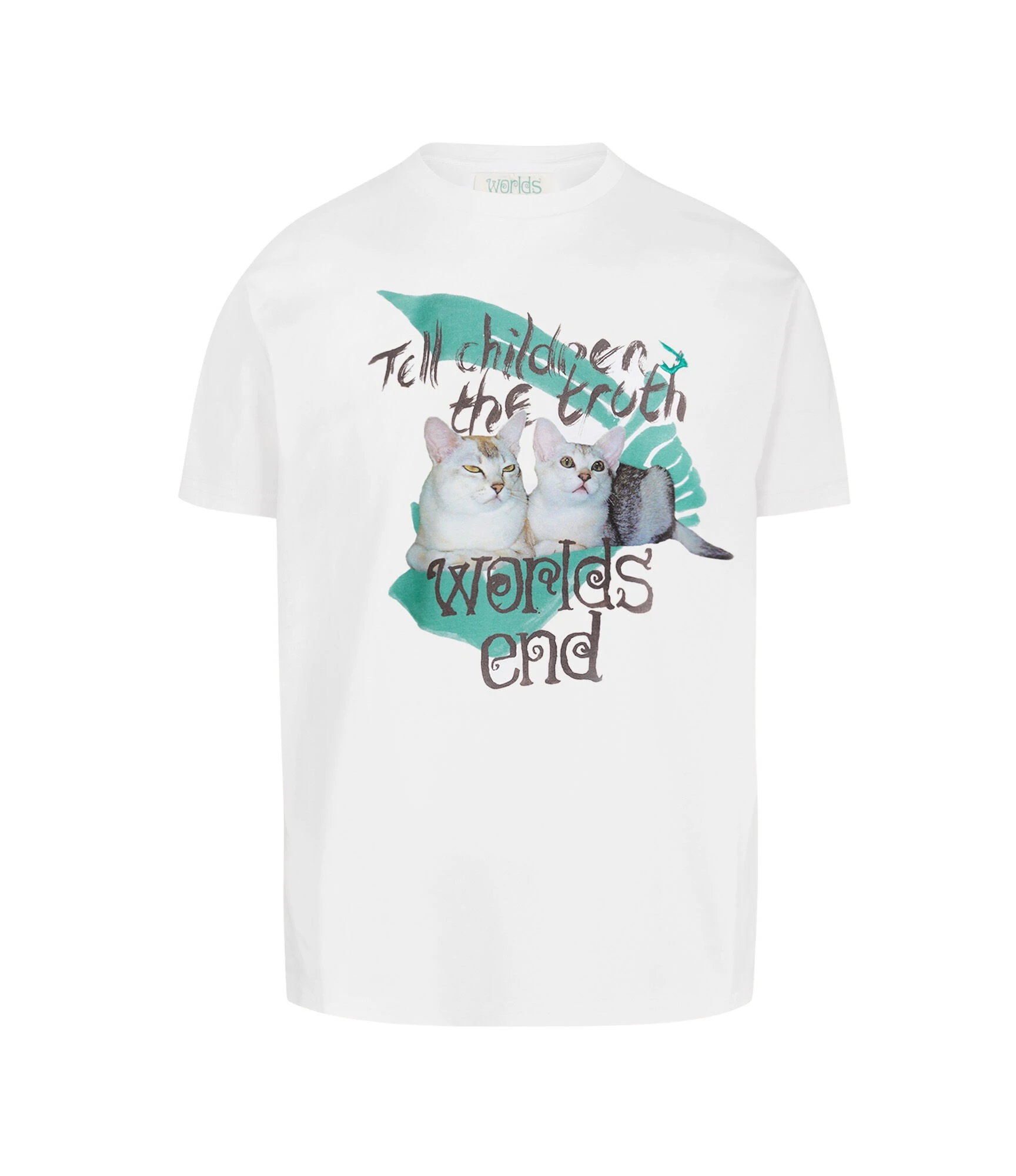
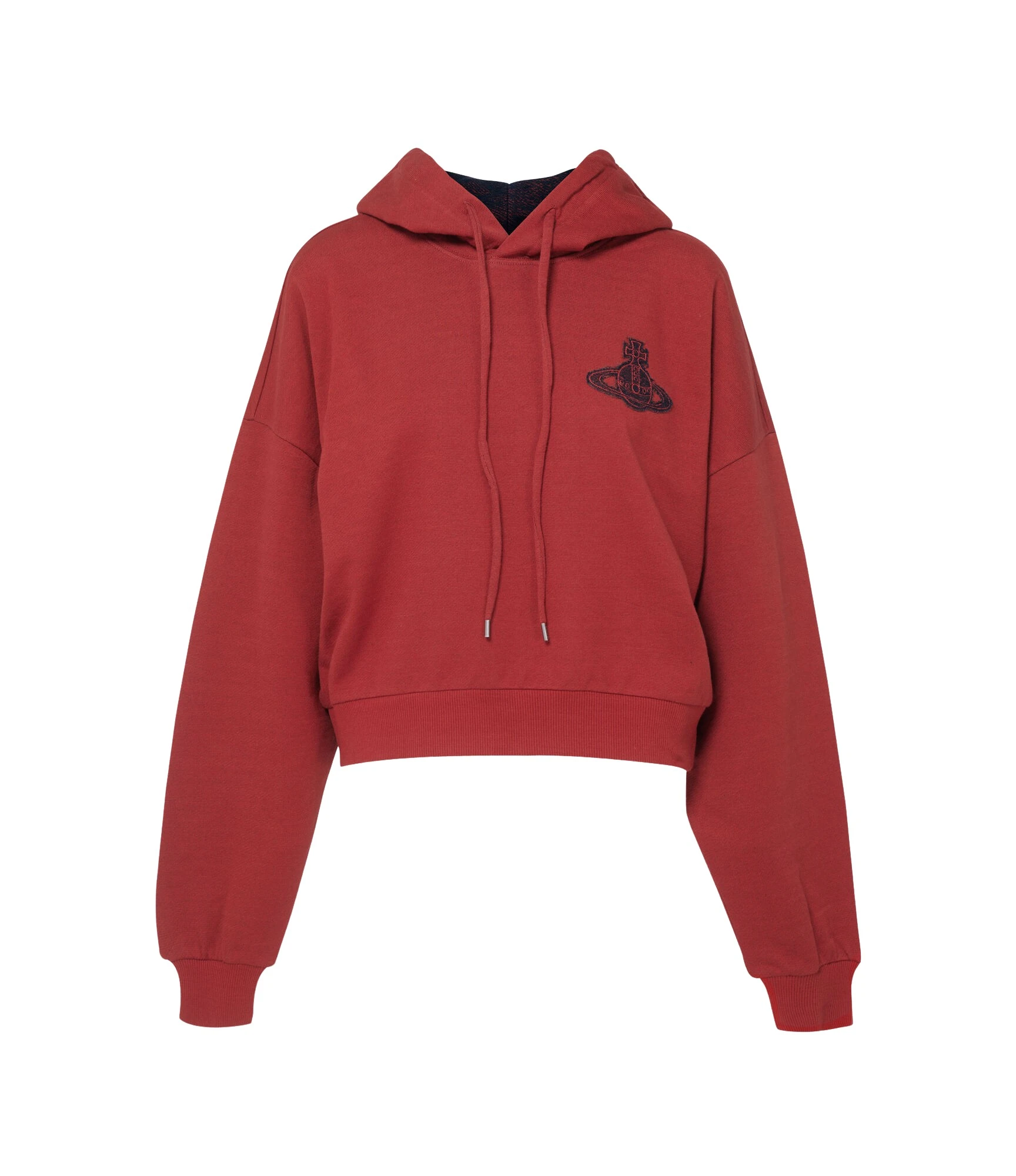
The corset is the piece to own: the Puppy Corset is the house idea in one garment. For something easier, the Pulling Dress and the Worlds End Classic Truth T-shirt carry the attitude without the boning. Shop Vivienne Westwood.
5. Loewe
Loewe was founded in Madrid in 1846 as a leather workshop. Under Jonathan Anderson, creative director from 2013 to 2025, the house became known for mixing Spanish leather craft with surreal objects and trompe l’oeil.
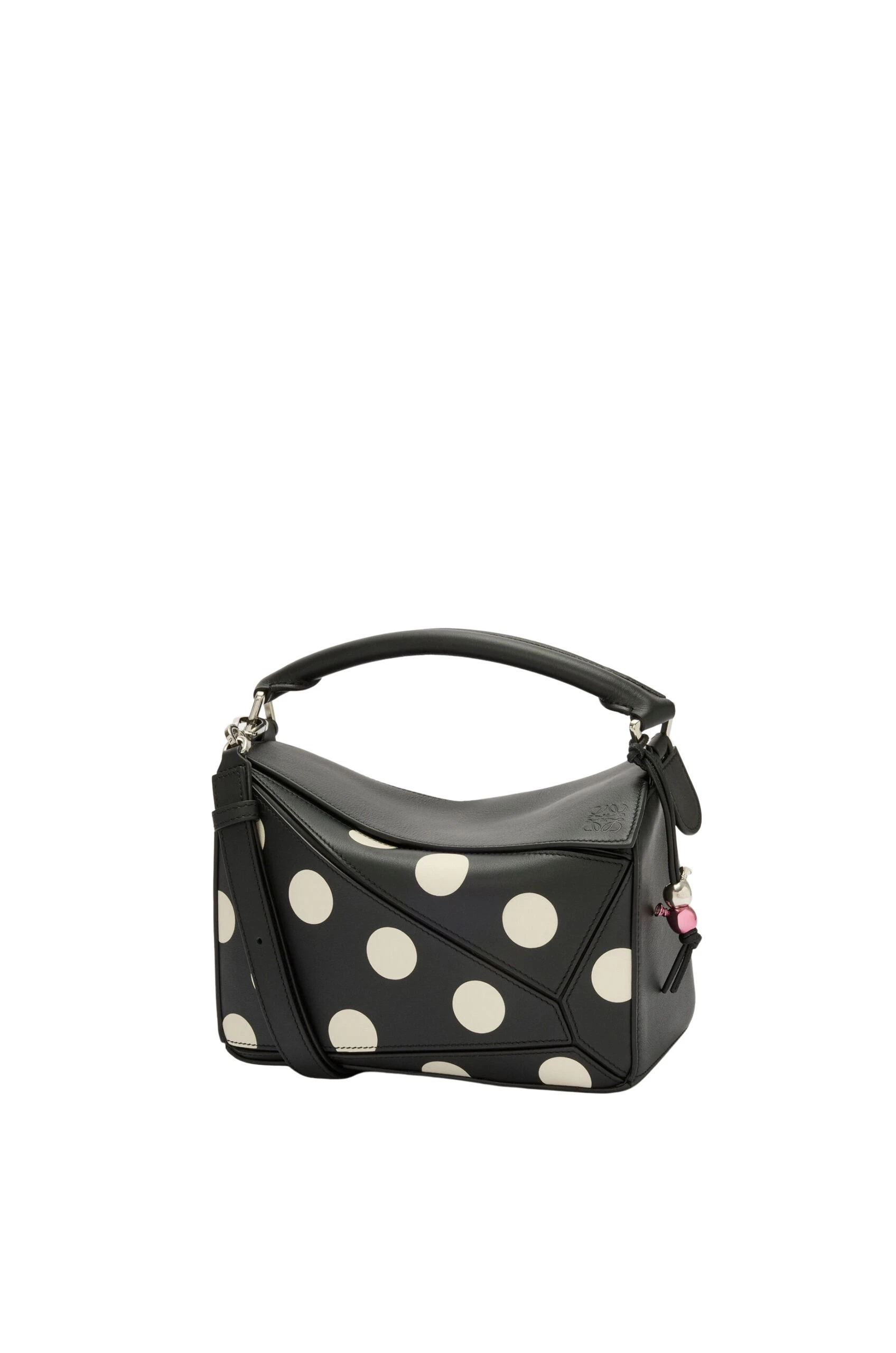
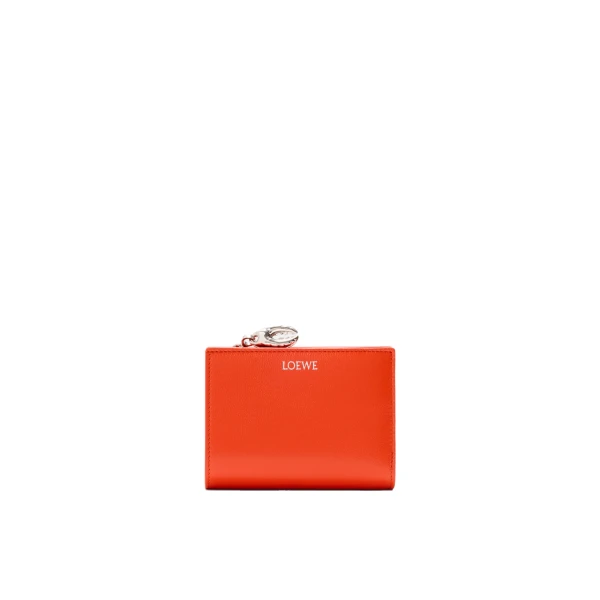
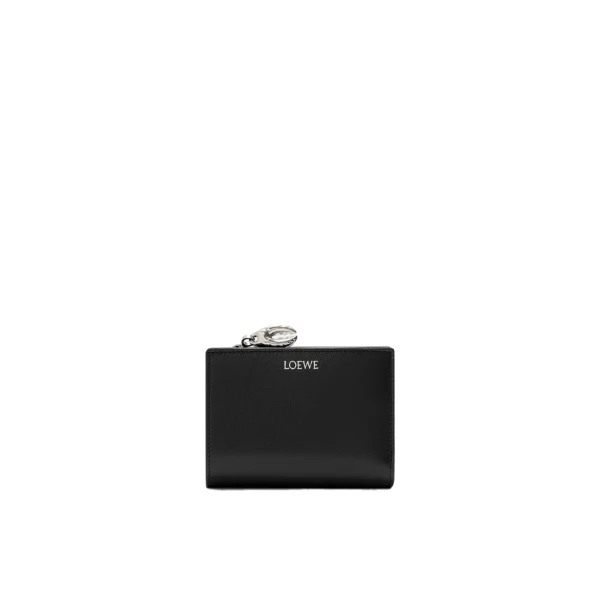
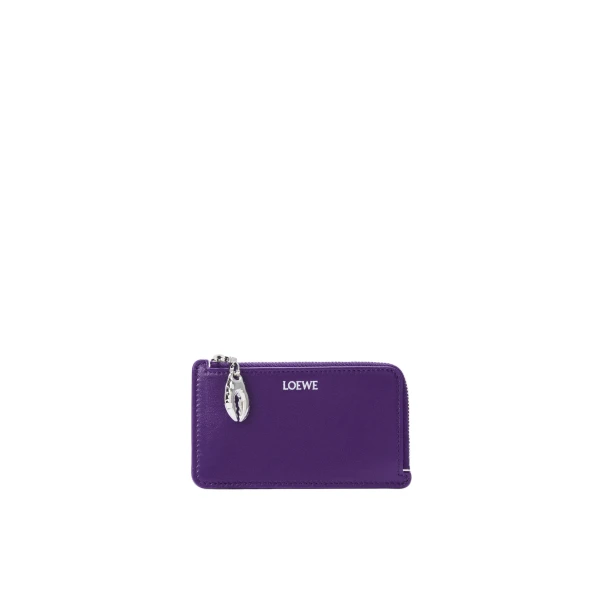
The bags are where that thinking is easiest to own. The Puzzle bag folds flat along its geometric seams, and the Hammock bag changes shape with how you carry it. The Claw wallets bring the same playfulness to small leather goods. Shop Loewe.


6. Maticevski
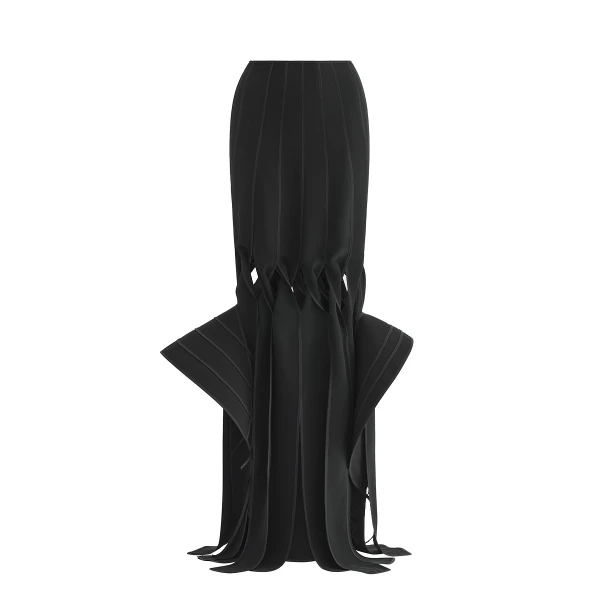
Toni Maticevski founded his Melbourne label in 1999 and is one of Australia’s most sculptural designers. He drapes bonded crepe and technical mesh into volumes that look carved, then cuts them for evening.
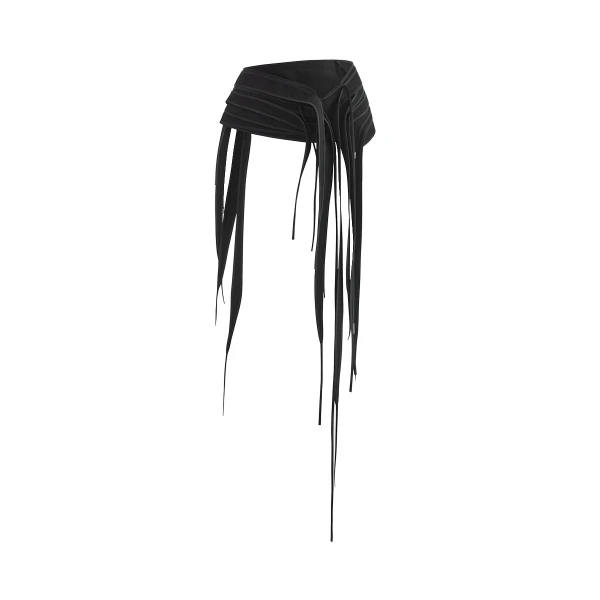
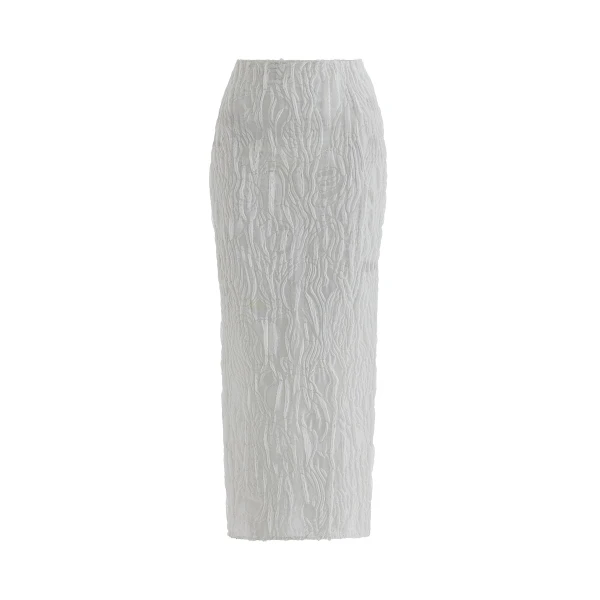
The Desires Gown is the full statement. For a lighter entry, the Clary Evening Skirt and the Laure Swing Top hold their shape on their own, and the Scintillate Hip Band adds a sculptural line to a simple dress. Shop Maticevski, and read who Toni Maticevski is.

-4%

-4%

7. Alaïa
Azzedine Alaïa worked outside the fashion calendar for most of his career and treated the body as architecture. His stretch knits and precise seaming changed how close a garment could sit to the figure, and the Paris house he founded still builds on that.
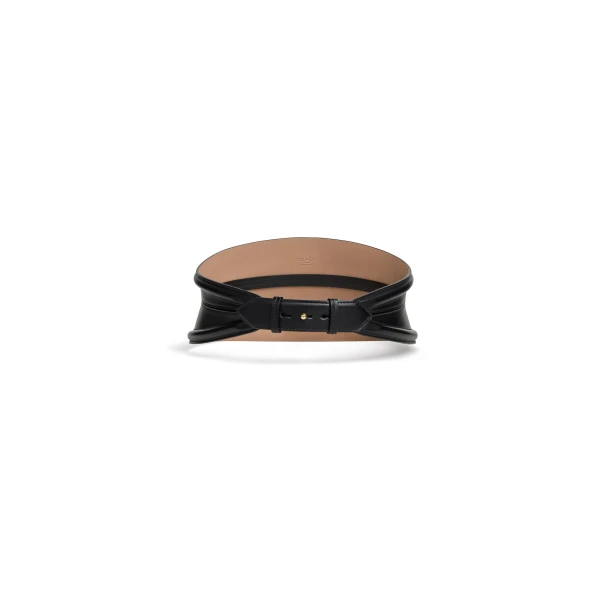
The knits are the place to start: the Wool Cinched Jumper and Wool Crepe Bralette show the sculpting at its most wearable. The Velvet Mini Dress and Wool Denim Biker Jacket take it into evening and outerwear. Shop Alaïa.
8. Dice Kayek
Sisters Ece and Ayşe Ege founded Dice Kayek in Paris in 1992. Ece trained at ESMOD, and the label won the Jameel Prize at the Victoria and Albert Museum in 2013 for its Istanbul Contrast collection, which translated Ottoman ornament into modern clothes.
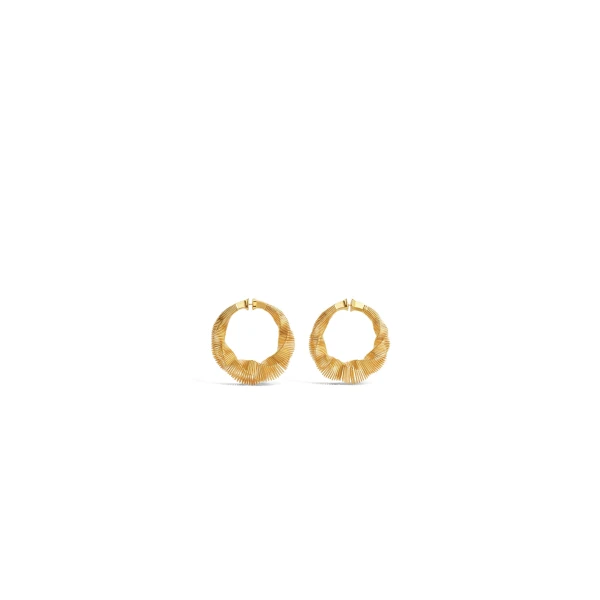
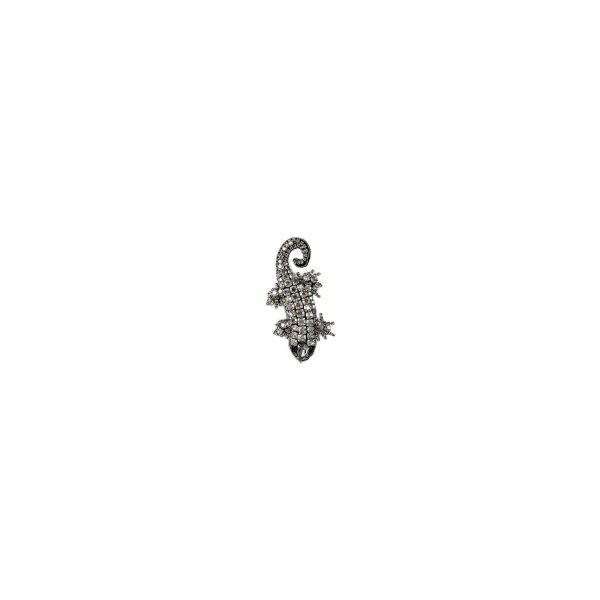
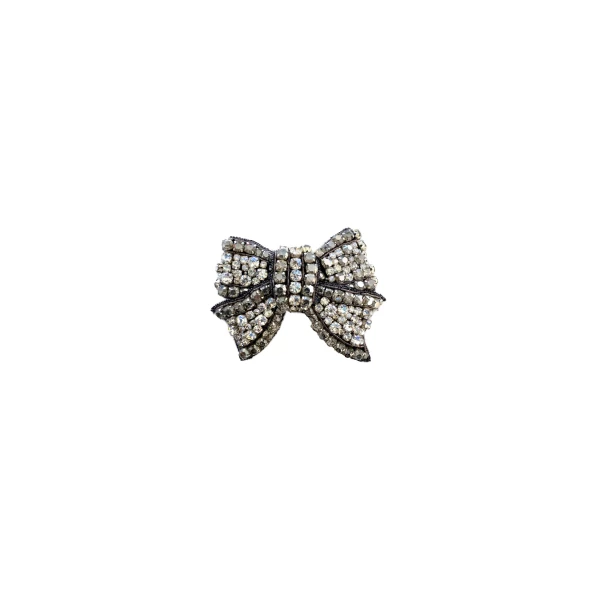
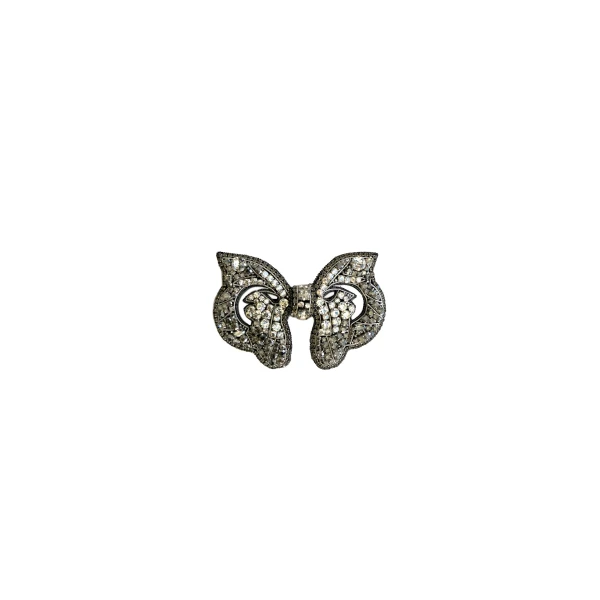
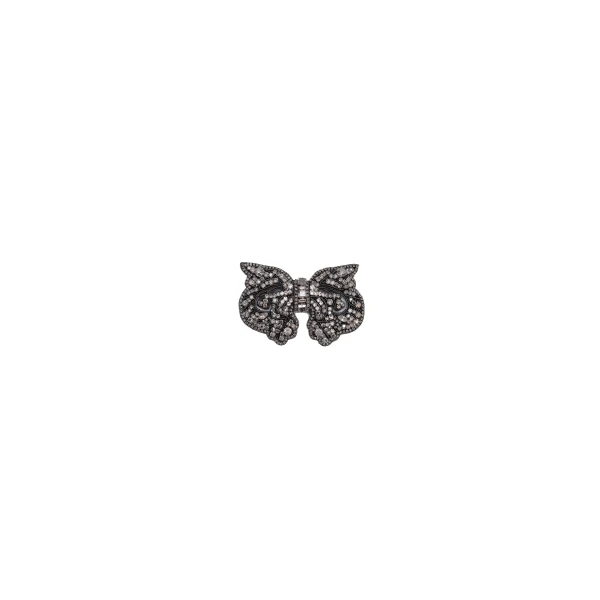
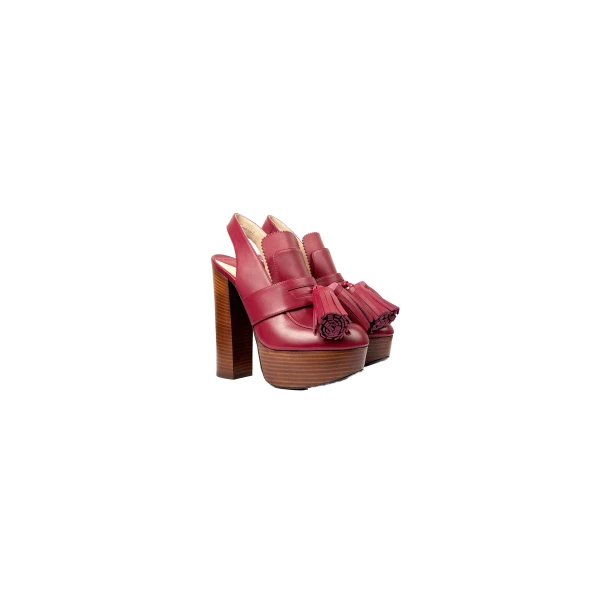
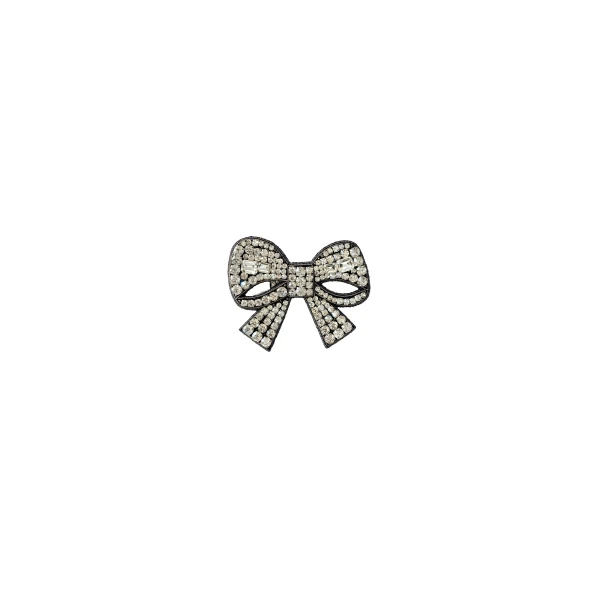
Start small with a crystal bow brooch, such as the Big Ribbon Brooch, pinned to a plain coat. The sculptural shirts and the Pompon Platform Heels carry the same mix of volume and ornament. Shop Dice Kayek, and read who Dice Kayek are.
Avant-garde, conceptual and deconstructed: the difference
- Avant-garde is the broad idea: fashion ahead of its time that challenges how clothes should look. Every designer here fits it.
- Conceptual fashion starts from an idea and builds the collection to express it. Viktor & Rolf are the clearest example.
- Deconstruction takes a garment apart and shows its workings, with raw edges, exposed seams and inside-out construction. It is one way of being avant-garde, not the only one.
Frequently asked questions
What makes a fashion designer avant-garde?
An avant-garde designer challenges what clothing is expected to be, through unusual shapes, proportions, materials and ideas. The work often looks closer to art than to trend-led fashion.
Who are the most famous avant-garde fashion designers?
Elsa Schiaparelli, Alexander McQueen, Vivienne Westwood and Viktor & Rolf are among the best known, alongside Japanese and Belgian designers such as Rei Kawakubo, Yohji Yamamoto and Martin Margiela.
Is Schiaparelli avant-garde?
Yes. Elsa Schiaparelli brought surrealism into fashion in the 1930s, and the house still works with surreal motifs such as gilded eyes, ears and keyholes under Daniel Roseberry.
Can you wear avant-garde fashion every day?
Yes, if you start with one piece. A sculptural earring, a corset top over a plain shirt and a single strong jacket all work with an everyday wardrobe.

Related Posts
Johanna Ortiz Kaftans and Tunic Dresses: The Linen and Cotton Cover-Ups to Know
The four Johanna Ortiz tunic dresses this season, in linen, poplin and cotton mesh, compared, sized and styled.
Johanna Ortiz Winter Sun 2027: Casa Loro, The Cartagena Edit, and the Pieces to Buy
The new Johanna Ortiz Winter Sun 2027 delivery, from Casa Loro and The Cartagena Edit: poplin maxis, linen dresses, one-pieces and pareos.
What to Wear in Cartagena, Colombia: A Resort Packing Guide for the Walled City
How to dress for Cartagena: the heat, the old town, the island day trips and the dinners, with a packing list from Colombian designer Johanna Ortiz.
Printed Maxi Skirts: How to Wear One Now, from Swimsuit to Dinner
The printed maxi skirt, styled four ways: with a bodysuit, a shirt, a knit and a swimsuit, plus the designer skirt we rate now.
Cotton Maxi Dresses: Why Poplin and Voile Beat Everything in the Heat, and 6 to Buy
The case for the cotton maxi dress: fabrics, cuts and the designer styles in poplin, voile and mesh we rate this season.
What to Pack for a Beach Vacation: The 15-Piece Resort Packing List
The Coveti beach packing list: fifteen pieces that mix into a week of looks, from swimsuit to dinner dress.
Wide-Brim Straw Hats: Iraca Palm, Toquilla and Raffia Explained, and How to Wear One
The straw hat guide: what iraca palm and toquilla straw are, how wide a brim should be, how to size a hat and how to care for one.
Beach Pants for Women: The Linen, Cotton and Mesh Styles That Beat Shorts
Beach pants, explained: fabrics, cuts and how to wear them over swimwear, with the designer linen and mesh pairs we rate now.
Designer One-Piece Swimsuits: How to Choose One, and the Styles Worth Buying
What makes a designer one-piece swimsuit worth it, how to choose the cut and fabric, and the styles we rate this season.
Beach Cover-Up Dresses: 8 Designer Styles That Work Off the Sand Too
How to choose a beach cover-up dress you will also wear to lunch: fabrics, lengths and 8 designer styles in cotton, linen and mesh.
Tunic Dresses: How to Wear the Easiest Dress of Summer, and 5 to Buy
The tunic dress, explained: the cut, the fabrics, how it differs from a kaftan, and the designer styles worth buying this season.
How to Tie a Sarong: 8 Easy Ways to Wear a Pareo, from Beach to Lunch
Eight ways to tie a sarong, step by step, from the classic hip knot to a halter dress, with the Coveti edit of designer pareos.